
Bloated public sector wage bill unsustainable
SHARE THIS PAGE!
Lesotho’s public sector wage bill — estimated at 17 percent of Gross Domestic Product (GDP) — remains among the highest in the region and is fiscally unsustainable, government and international financial institutions have warned.
Minister of Finance and Development Planning, Dr Retŝelisitsoe Matlanyane, says the growing wage bill is crowding out spending on critical development priorities such as infrastructure, schools and other productive investments.
“This must be contained as a matter of urgency. Government cannot be the employer of first choice and last resort,” she said on Wednesday this week while presenting the 2026/2027 national budget to the National Assembly
Dr Matlanyane urged the private sector to take a leading role in driving economic growth, stressing that government cannot remain its primary client.
“We must do everything to ensure that the private sector takes its rightful place and plays its role effectively in this country,” she said, adding that businesses should expand into productive economic sectors rather than relying largely on government contracts.
According to an October 2025 report by the International Monetary Fund, Lesotho has for decades pursued a public sector-led growth and employment model that has failed to raise living standards.
The IMF report notes that public expenditure stands at 53 percent of GDP — one of the highest ratios in the region — with 17 percent of GDP spent on wages alone (2024 estimates). Public sector wages account for 72 percent of tax revenue.
Despite this high spending, GDP per capita fell by 14 percent between 2016 and 2023, leaving Lesotho with one of the lowest per capita growth rates among its peers.
Speaking during his inauguration after winning the 2022 national general elections, Prime Minister Sam Matekane bemoaned that huge spending in the public sector had not translated into satisfactory performance and high productivity.
He said government is confronted with the critical challenge of having to move Lesotho from a growth model that depends almost entirely on the public sector, to one that is driven by a strong and competitive export oriented private sector.
Data from the International Labour Organisation (2023) shows that more than half of the country’s formal workers are employed in the public sector and earn, on average, over four times the median private sector wage.
The IMF further observes that growth has largely been driven by mega projects such as the Lesotho Highlands Water Project Phase II. While these projects contribute significantly to GDP, they are capital-intensive and rely heavily on foreign labour and inputs, resulting in limited spillover benefits to local firms and employment.
Other key sectors, including water exports and diamond mining, also contribute substantially to GDP but generate relatively few jobs.
In its Lesotho Economic Update: Transforming Fiscal Policy into an Engine of Inclusive Growth, released on April 7, 2025, the World Bank recommends bold reforms to improve the efficiency of public spending.
The report warns that although development pressures may push government to increase expenditure, high public spending in the past has not translated into sustainable growth or poverty reduction. It attributes this to weaknesses in public investment management, public financial management and procurement systems.
To boost growth, the World Bank recommends a comprehensive reform programme to stimulate private sector development and improve fiscal management.
Among the proposed measures are reducing the cost of doing business, easing market entry, revising legislation to promote competition and foreign investment, and upgrading the competition bill and investment policy framework.
As a member of the African Continental Free Trade Area, the report also urges Lesotho to align its legislation with the agreement’s operational requirements and create mechanisms to demonstrate progress.
Another key recommendation is to reconsider the State’s role in the economy to avoid creating an uneven playing field. Policy options include divesting certain functions to the private sector and strengthening governance and efficiency within State-Owned Enterprises.
Both government and international partners agree that without structural reforms, Lesotho’s current public sector-driven model will remain a drag on inclusive growth and long-term economic sustainability.
Matala Local Court dismisses divorce application
13 days ago
Basotho migrants in peril
13 days ago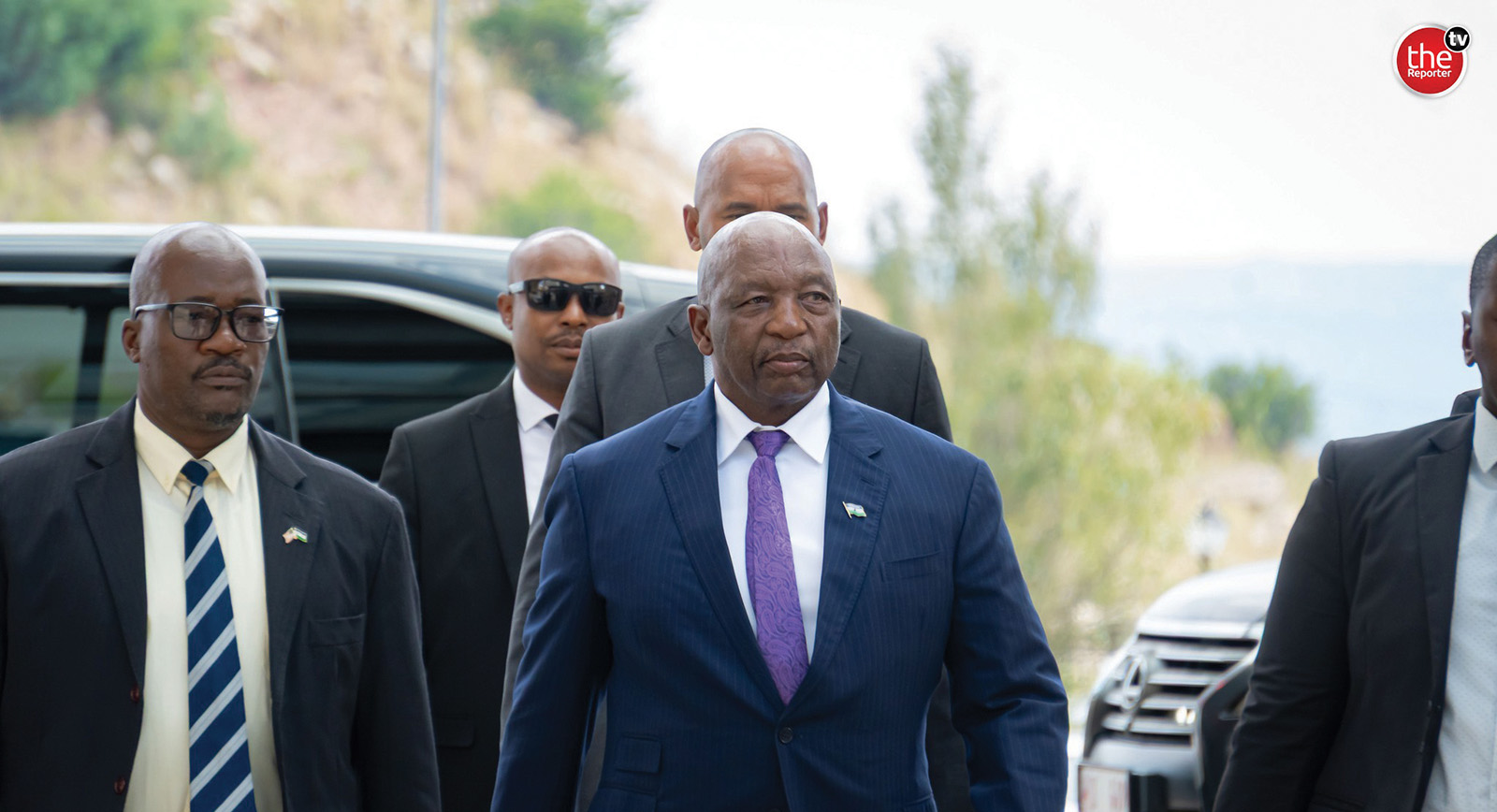
Bloated public sector wage bill unsustainable
13 days ago
Govt moves to flash out ghost pensioners
16 days ago
Lucky ETL customer wins Toyota Starlet
16 days ago
Media to get training on trade reporting
17 days ago
World Bank drives jobs, resilience, and growth
17 days ago

Moabi launches record label
17 days ago
Career expo guides future leaders
18 days ago