CBL warns Basotho against rising indebtedness

SHARE THIS PAGE!
The Central Bank of Lesotho (CBL) has expressed concern over the growing levels of indebtedness among citizens, warning that many households are being pushed deeper into financial strain due to poorly understood loan commitments.
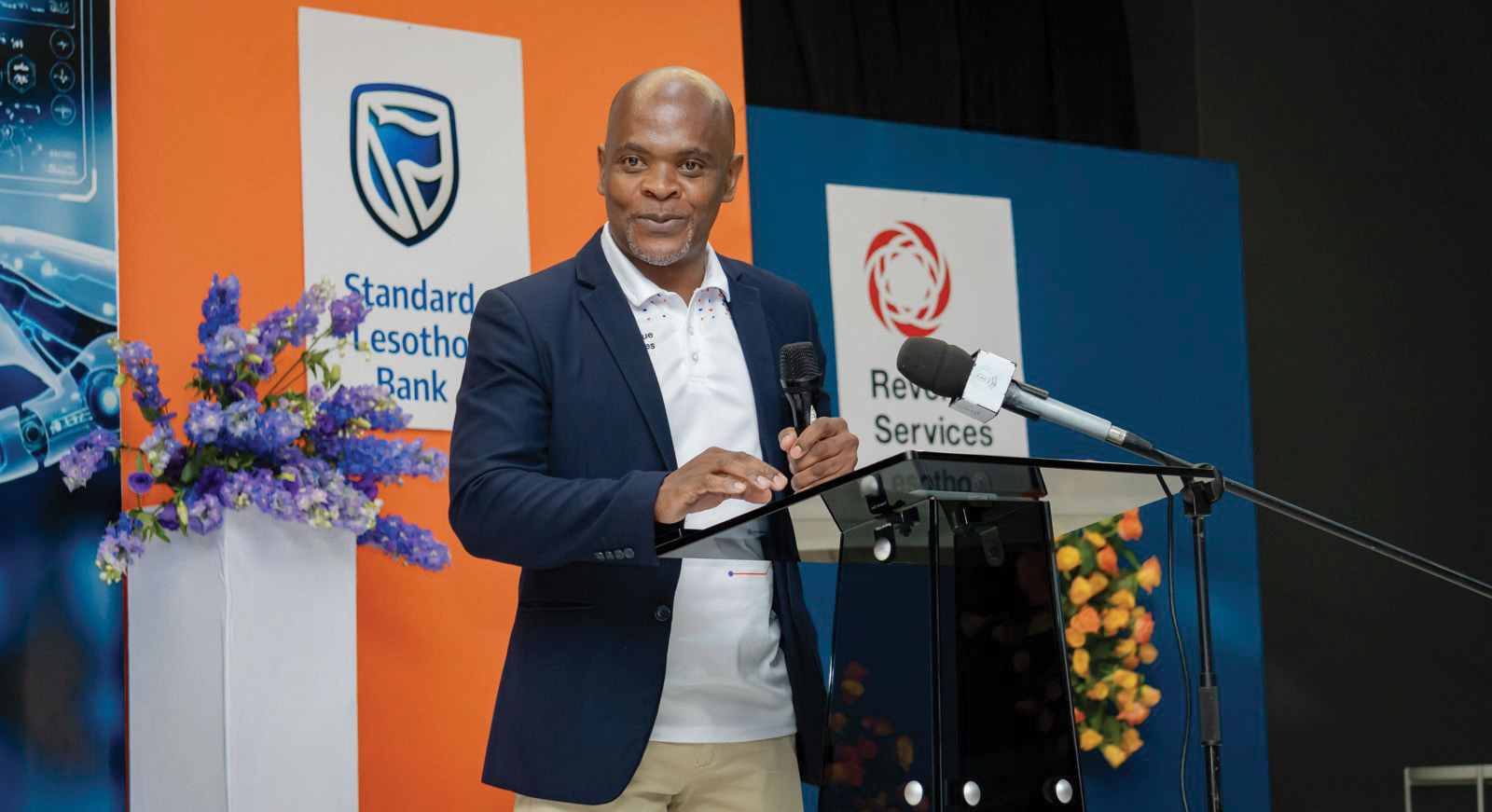
The issue emerged during the recent Market Conduct Supervision workshop for Micro, Small and Medium Enterprises, where senior officials highlighted the risks associated with over-borrowing and lack of financial awareness.
Head of Division–Corporate Governance at the CBL, Advocate Thuloane Ntlhakana, said the bank regularly receives cases of individuals overwhelmed by debt, often seeking relief that the institution is not empowered to provide.
“We do not have the power to cancel the debts that you have taken. When a person takes on a debt, they are expected to service it until it is fully settled,” Ntlhakana said.
He noted that some borrowers take loans without considering whether they will still be employed long enough to repay them, citing instances where individuals expect to use pension payouts to clear debts — something not permitted by law.
“When taking loans, people must make sure they will be able to service them during their period of employment,” he warned.
According to Ntlhakana, many borrowers end up taking home nothing from their salaries after loan deductions from banks and microfinance institutions, leaving families financially vulnerable. In many cases, attempts to consolidate debts to ease the burden prove impossible.
He stressed the importance of understanding loan terms before signing any agreements, warning that uninformed borrowing contributes directly to poverty at household level.
Speaking at the same event, World Bank senior financial sector specialist, Moses Musantu, said global experience, particularly the 2007–2009 financial crisis, demonstrated the critical importance of financial consumer protection for long-term financial system stability.
“If financial consumer protection is insufficient, consumers lose trust in financial institutions and turn to informal means to save and borrow,” Musantu said.
Executive Assistant to the Governor, Dr Rethabile Masenyetsi, said the Financial Consumer Protection Act of 2022 focuses primarily on the rights of customers rather than financial institutions. The law emphasises disclosure of credit, investment and insurance information, as well as financial education for citizens.
Meanwhile, Section head of financial consumer empowerment, Moroke Moroke, urged Basotho to prioritise personal financial management.
“Plan spending by making an accurate monthly budget which shows expenses on necessities. It is never too late to start managing your finances wisely,” Moroke advised.


Moabi launches record label
4 days ago
Career expo guides future leaders
5 days ago
MMB customers win big
5 days ago



Bar exam delays frustrate law graduates
7 days ago