Community forum calls on businesses to support festival
SHARE THIS PAGE!
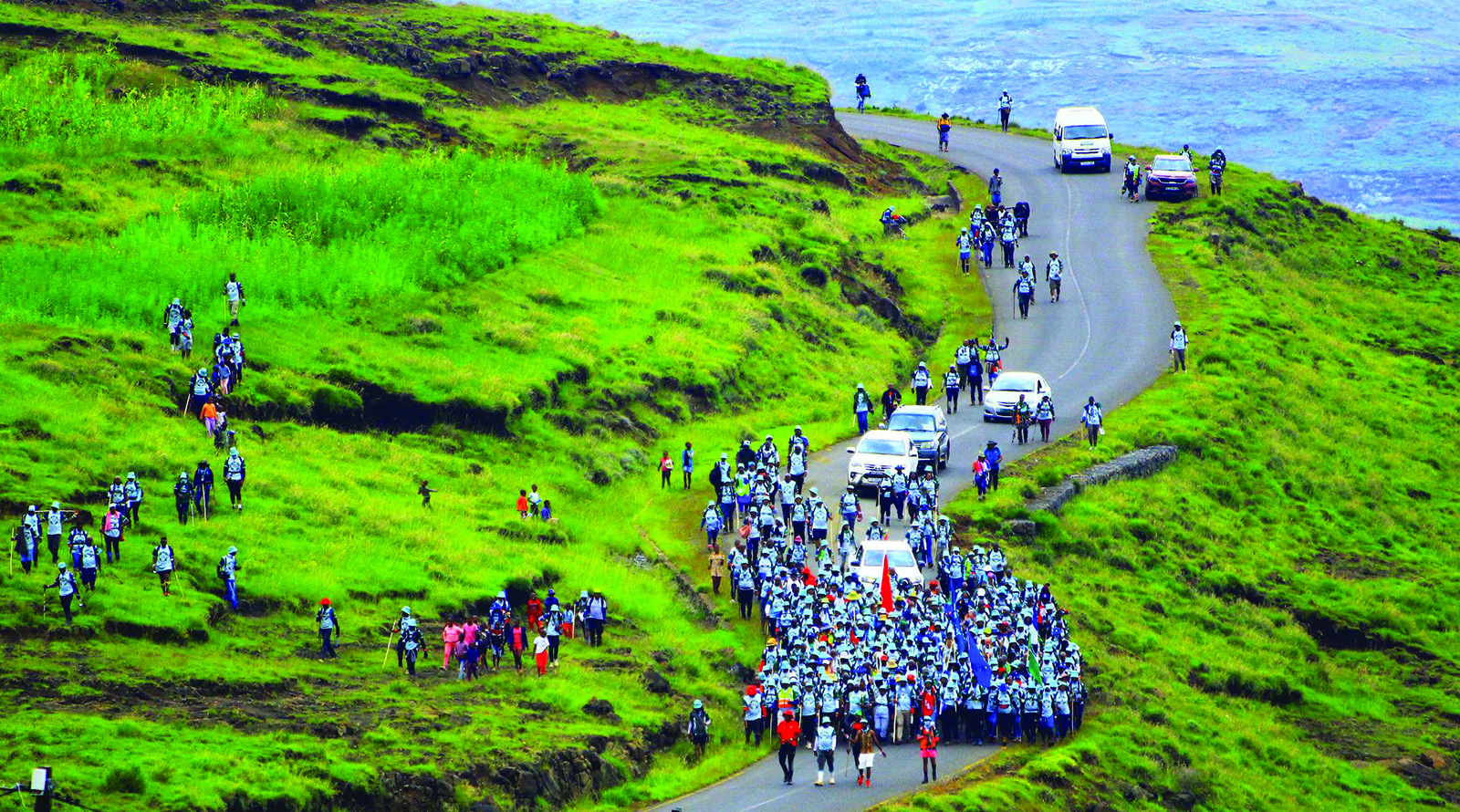
A community forum has called on businesses to support the Katse Tourism and Cultural Festival, an annual celebration of Lesotho’s rich heritage.
The festival that has been celebrated annually since 2021 has proven to be a significant boost to the country’s culture and economy, attracting tourists and locals alike, and injecting revenue into the local economy.
The event is organised by the Katse Dam Action and Aid Community Forum with support from the Lesotho Highlands Development Authority (LHDA) as part of the Lesotho Highlands Water Project’s (LHWP) commitment to community development and sustainable livelihoods.
Organisers say the festival’s success is a testament to the country’s rich cultural diversity and its potential to drive economic growth.
Speaking to the media yesterday, the chairperson of the forum, Selikane Rakuoane, noted that since the introduction of the event, there has been a significant improvement in attendance.
He indicated that local people have invested their time to ensure the event succeeds, especially by performing different cultural activities without excepting any form of payment.
Rakuoane further called on businesses to invest in the festival inorder to tap into the growing tourism market and contribute to the country’s development.
“The Katse Festival has shown us what can be achieved when we come together to celebrate our culture. We humbly request more businesses to support this initiative, inorder to promote Lesotho’s unique heritage and boosting our economy. Currently the festival is supported by LHDA,” Rakuoane said.
He also called on Basotho to support the festival by being part of it, as they do with other events to boost the economy especially around Katse.
The event comes as the LHWP marks its 40th anniversary.
“More than a cultural event, the festival reflects four decades of shared progress, honouring the community whose heritage and stewardship continue to shape the legacy of the LHWP,” LHDA said in a statement.
The event started with cultural performances like mokhibo, mohobelo, and poems, among others.
King Letsie III envisions prosperous Lesotho
7 days ago
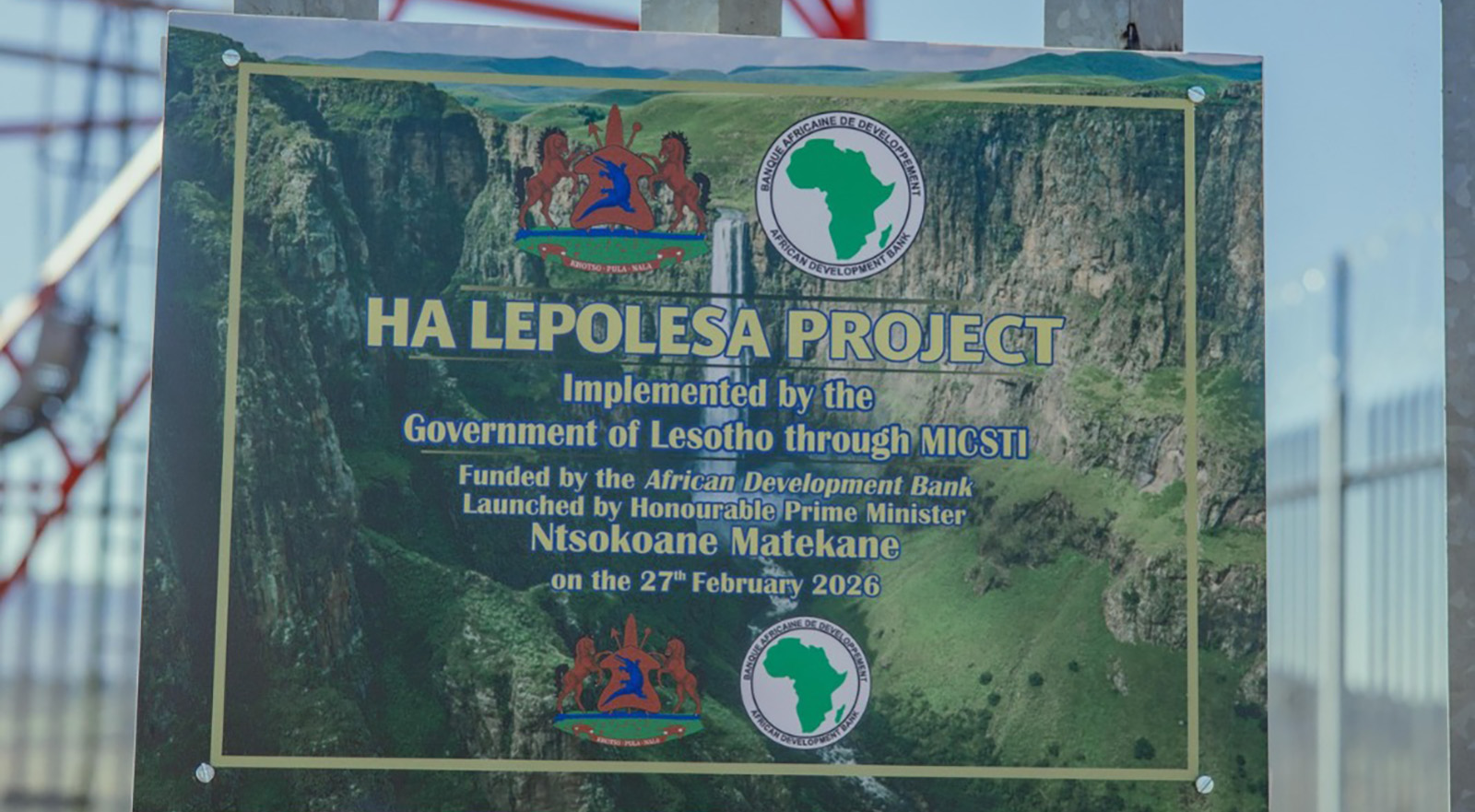
ETL welcomes Ha Lepolesa base tower launch
11 days ago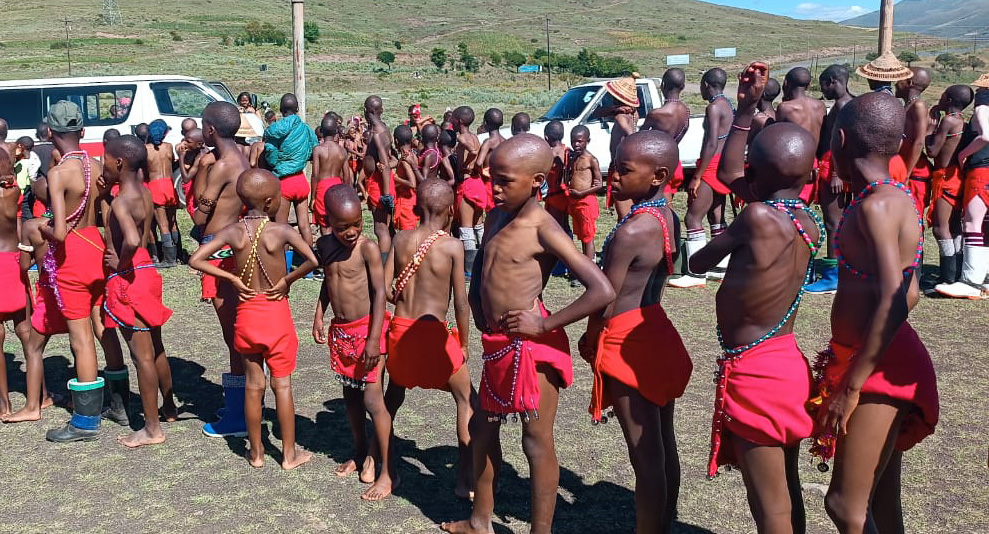
SBL hosts AMC26 focusing on growth
18 days ago
IEC to host staff wellness retreat
19 days ago
Associations join efforts to reduce crime
19 days ago
Matlanyane urges govt to modernise tax laws
19 days ago