
Ex-NUL student turns Sehalahala shrub into fuel

SHARE THIS PAGE!
A former student of the National University of Lesotho (NUL), Kanono Thabane, has developed a method of converting the invasive Sehalahala shrub into charcoal briquettes as an alternative source of fuel.
In Lesotho, Sehalahala refers to two common shrubs, scientifically known as Seriphium plumosum and Felicia filifolia. The plants spread rapidly across grazing land, competing with grass for water and space and reducing pasture available for livestock.
Thabane said the idea came from observing the abundance of the shrub and questioning whether it could be put to productive use.
“I asked myself why we could not turn these unwanted bushes into charcoal briquettes,” he said.
To produce the briquettes, Thabane harvested the shrubs and left them to dry in the sun for five days to remove moisture. The dried material was then placed in a 200-litre steel drum and heated through a process known as carbonisation, which converts biomass into charcoal.
After carbonisation, the material was crushed into fine powder. Thabane experimented with two binding agents — wheat flour and clay — to hold the charcoal together. The mixture was then compressed into round briquettes using a manually operated machine powered by a car jack.
He conducted tests to compare the briquettes with commercially available charcoal.
“These briquettes have high heating value, meaning they produce strong heat for a longer period. Using clay as a binder performed better and generated more heat than wheat flour,” he explained.
According to Thabane, the briquettes produce less smoke than raw firewood or cow dung and burn longer due to their high density.
Beyond providing an alternative household fuel, the project also addresses environmental concerns. The removal of Sehalahala shrubs could help restore grazing land and improve biodiversity by allowing indigenous vegetation to regenerate.
Thabane believes the initiative has potential to reduce reliance on expensive commercial fuels while promoting cleaner energy use at household level.
If adopted on a larger scale, the innovation could contribute to environmental restoration, improved air quality and economic opportunities through small-scale fuel production.
Thabane’s innovative project is a game-changer for the country, offering a multitude of benefits that will have a lasting impact on the environment, public health, and the local economy.
By transforming the invasive Sehalahala shrubs into clean-burning charcoal briquettes, he is tackling two major issues simultaneously: environmental degradation and energy poverty.
“The removal of these shrubs will restore the natural balance of the ecosystem, allowing native vegetation to flourish and improving biodiversity,” he added.
The economic benefits will be substantial, with potential savings on healthcare costs due to reduced air pollution and increased productivity from improved health.
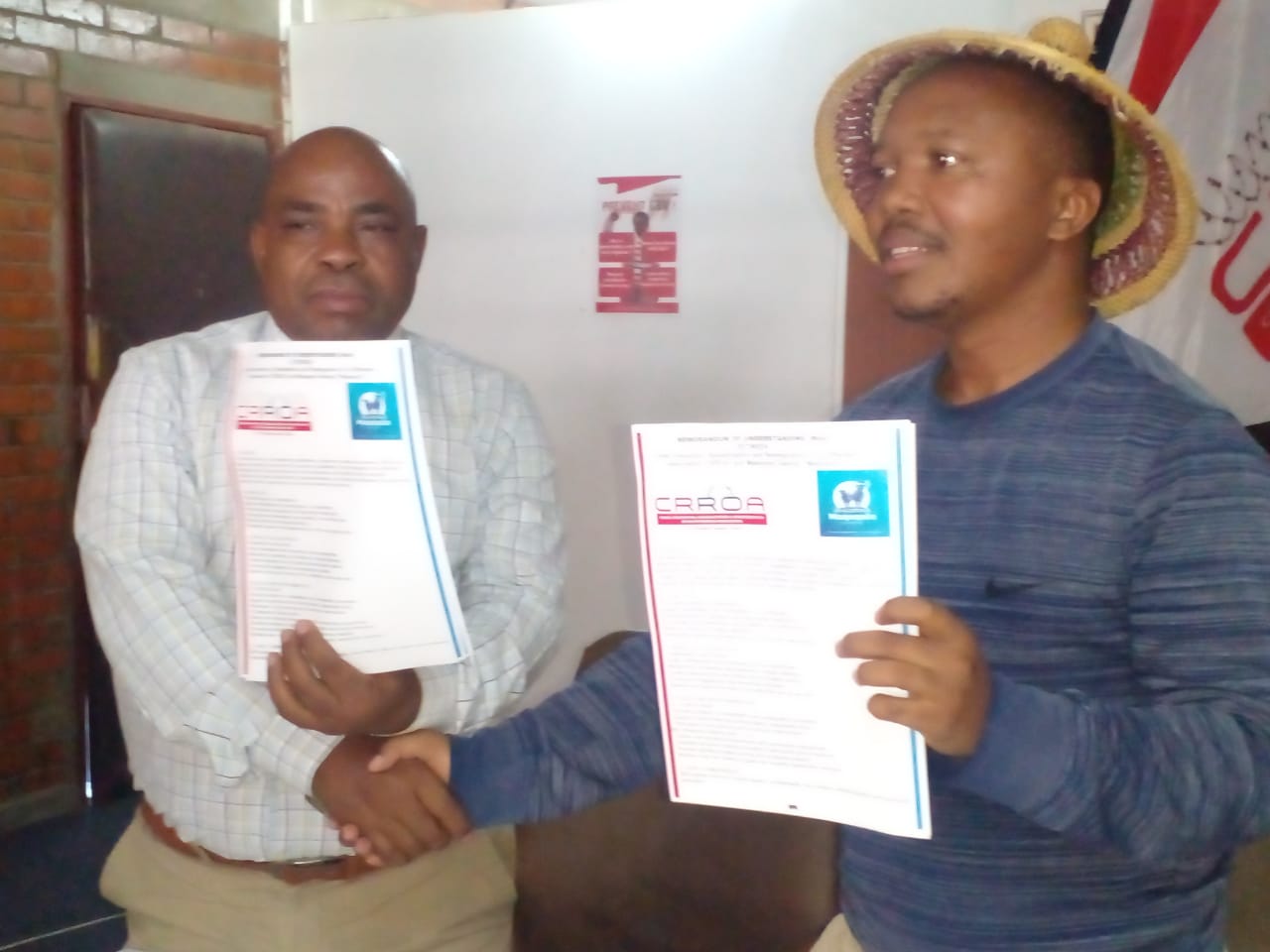
Associations join efforts to reduce crime
12 days ago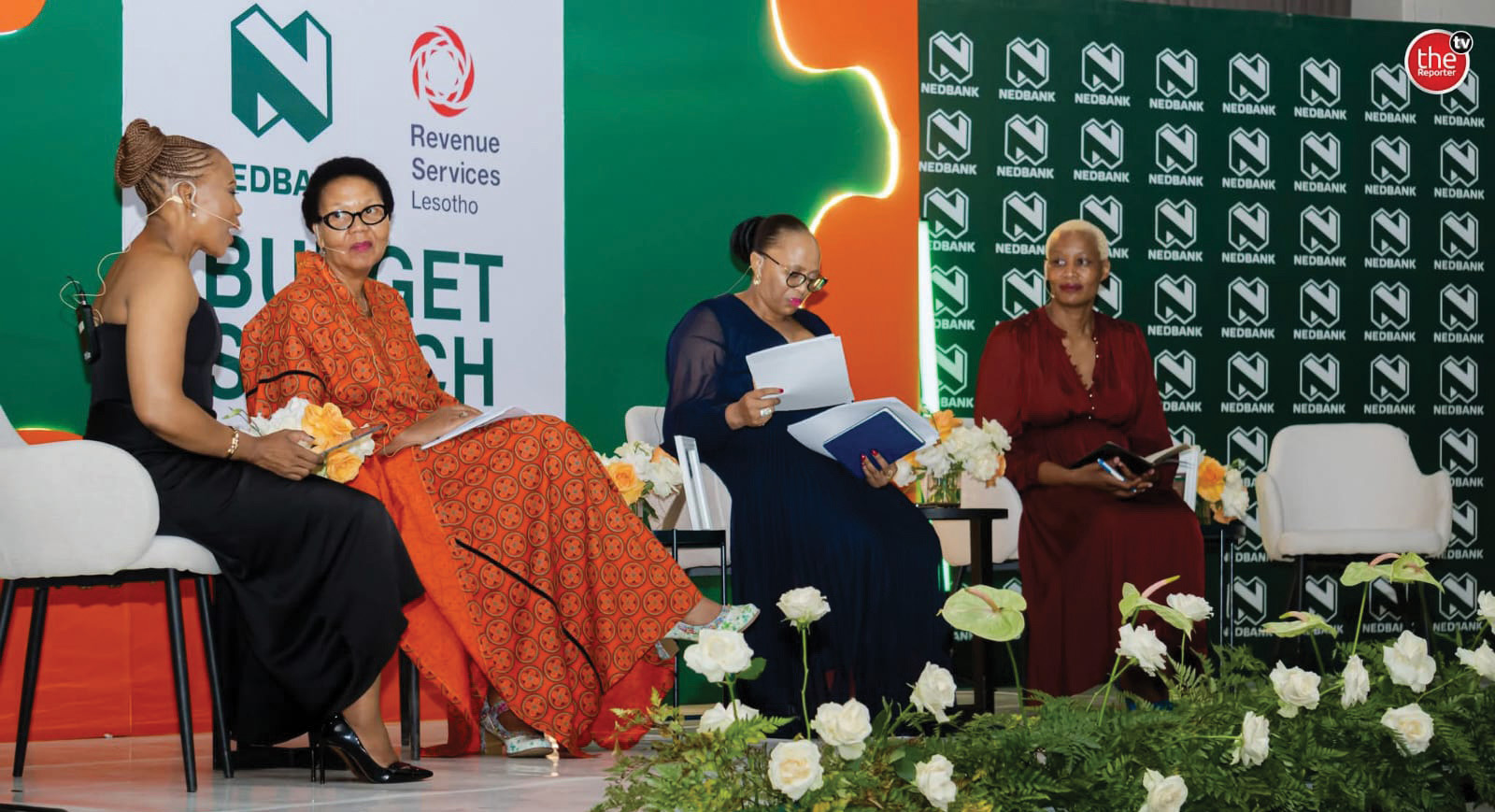
Matlanyane urges govt to modernise tax laws
12 days ago
Ex-NUL student turns Sehalahala shrub into fuel
15 days ago
LHDA launches 2nd TBM naming competition
15 days ago
Matala Local Court dismisses divorce application
15 days ago
Basotho migrants in peril
15 days ago
Bloated public sector wage bill unsustainable
15 days ago
Govt moves to flash out ghost pensioners
17 days ago
Lucky ETL customer wins Toyota Starlet
17 days ago