
Fashion designer makes corset out of cow skin

SHARE THIS PAGE!
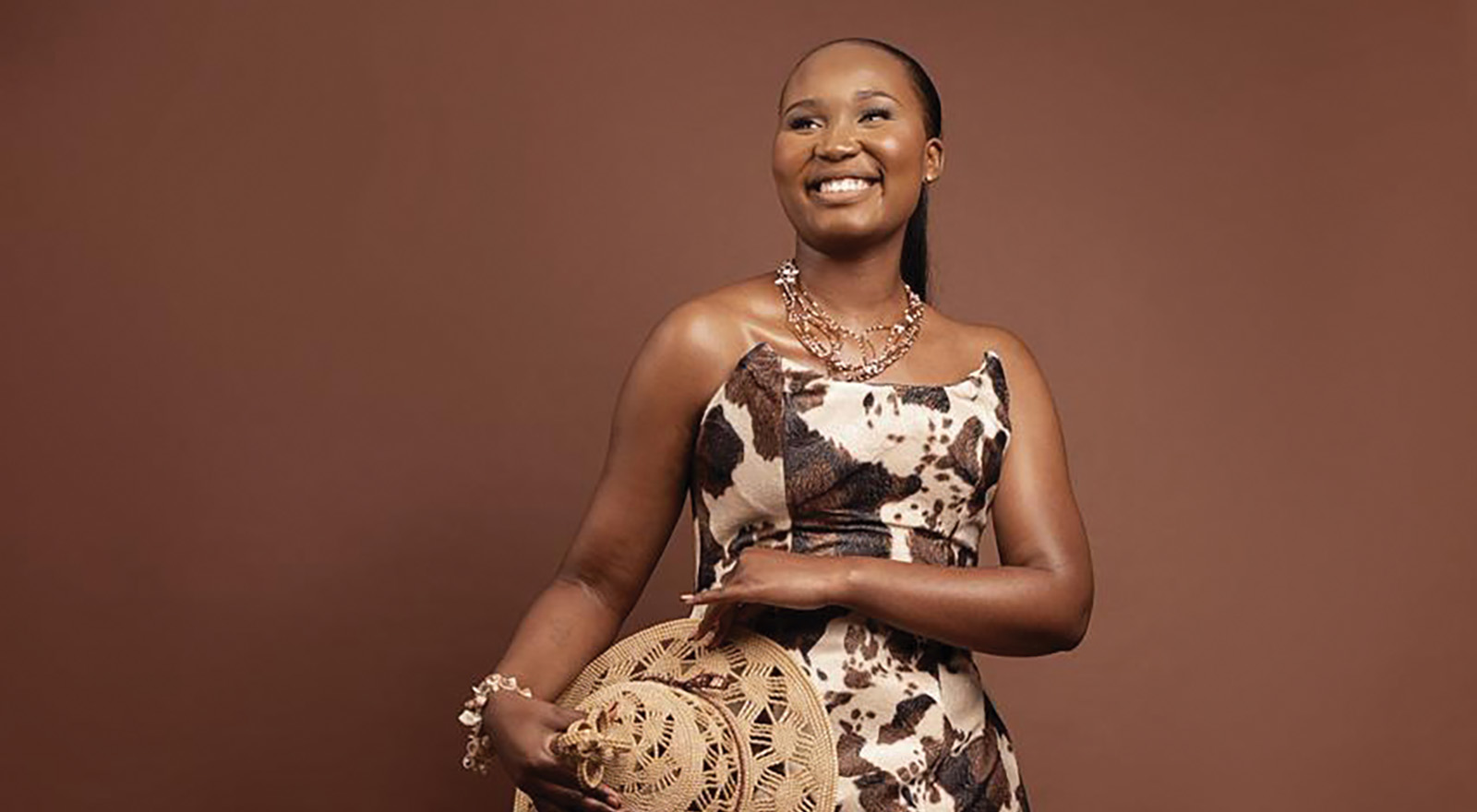
A local fashion designer, Lintle Masasa, has used cow skin to make a modern corset.
Her inspiration came from a desire to honour heritage while speaking in a contemporary fashion language.
Masasa says cow skin carries deep cultural significance in many African contexts, particularly in Basotho culture, where it symbolises sustenance, identity, and tradition.
She wanted to reimagine this material beyond its conventional use and position it within modern fashion as something refined, intentional, and powerful.
Masasa said she selected cow skin based on texture, durability, and natural patterning. The hide used for this corset has a firm yet flexible quality, which is essential for structured garments like corsets. Its organic markings add a visual narrative making each piece inherently unique.
In an interview with theReporter, Masasa explained that the process began with research and sketching, exploring how traditional materials could be reshaped into modern silhouettes. She then experimented with structure, focusing on how the cow skin could contour the body without compromising comfort.
Pattern-making and hand-finishing were crucial stages, especially to ensure the material sat elegantly on the body. The final piece was refined through fittings, balancing strength, femininity, and movement.
“I respect the material’s origins while allowing modern cuts, clean lines, and contemporary styling to lead the design. In this piece, the corset silhouette is modern and bold, while the cow skin grounds it in tradition. Styling elements, such as minimal accessories and a clean backdrop help keep the look current and editorial,” she noted.
Masasa said aesthetic is rooted in modernity, confidence, elegance, and cultural pride. Her piece speaks to strength and femininity coexisting. It challenges the idea that traditional materials belong only in traditional contexts, presenting them instead as luxurious, expressive, and fashion-forward.
She also revealed that cow skin is less forgiving than conventional fabrics. Cutting and shaping it requires precision, and mistakes are costly. Using it with other materials to blend it into the design was also very challenging. She overcame this by working slowly, testing techniques on smaller sections first, and allowing the material to guide the design rather than forcing it into a predetermined form.
Masasa describes her piece as wearable art. It leans toward avant-garde in concept but remains wearable for editorial shoots, cultural showcases, and fashion-forward clients who appreciate statement pieces with meaning.
“I’m deeply interested in exploring materials that are culturally rooted, recycled, or overlooked materials that carry stories. This includes natural fibers, reclaimed textiles, and other heritage-based elements reinterpreted for modern fashion,” she prided.
She stated this design promotes mindful material use and longevity, citing that cow skin is a by-product, and using it intentionally reduces waste while extending its lifecycle.
The piece also encourages slower fashion, designs that are meant to be kept, valued, and revisited rather than consumed quickly.
The cow skin is sourced from individuals who work within ethical and traditional livestock practices.
Masasa said if this idea was to expand, it would not only support local economies but also ensure transparency and respect for the material’s origin.
Fashion designer makes corset out of cow skin
a month ago
Artist launches soulful gospel music brand
a month ago
Mother asks court to evict disrespect daughter
a month ago
Lesotho, SA hail LHWP ll progress
a month ago
Govt collects M6 million plastic levy
a month ago
MPs face backlash over salary hike
a month ago
NGO leads efforts to keep environment clean
a month ago


Ministers visit Katse Dam
a month ago