Govt collects M6 million plastic levy

SHARE THIS PAGE!
The taxman has collected approximately M6 million plastic levy since its introduction in December last year.
The funds will support government efforts to reduce plastic waste and promote environmental sustainability.
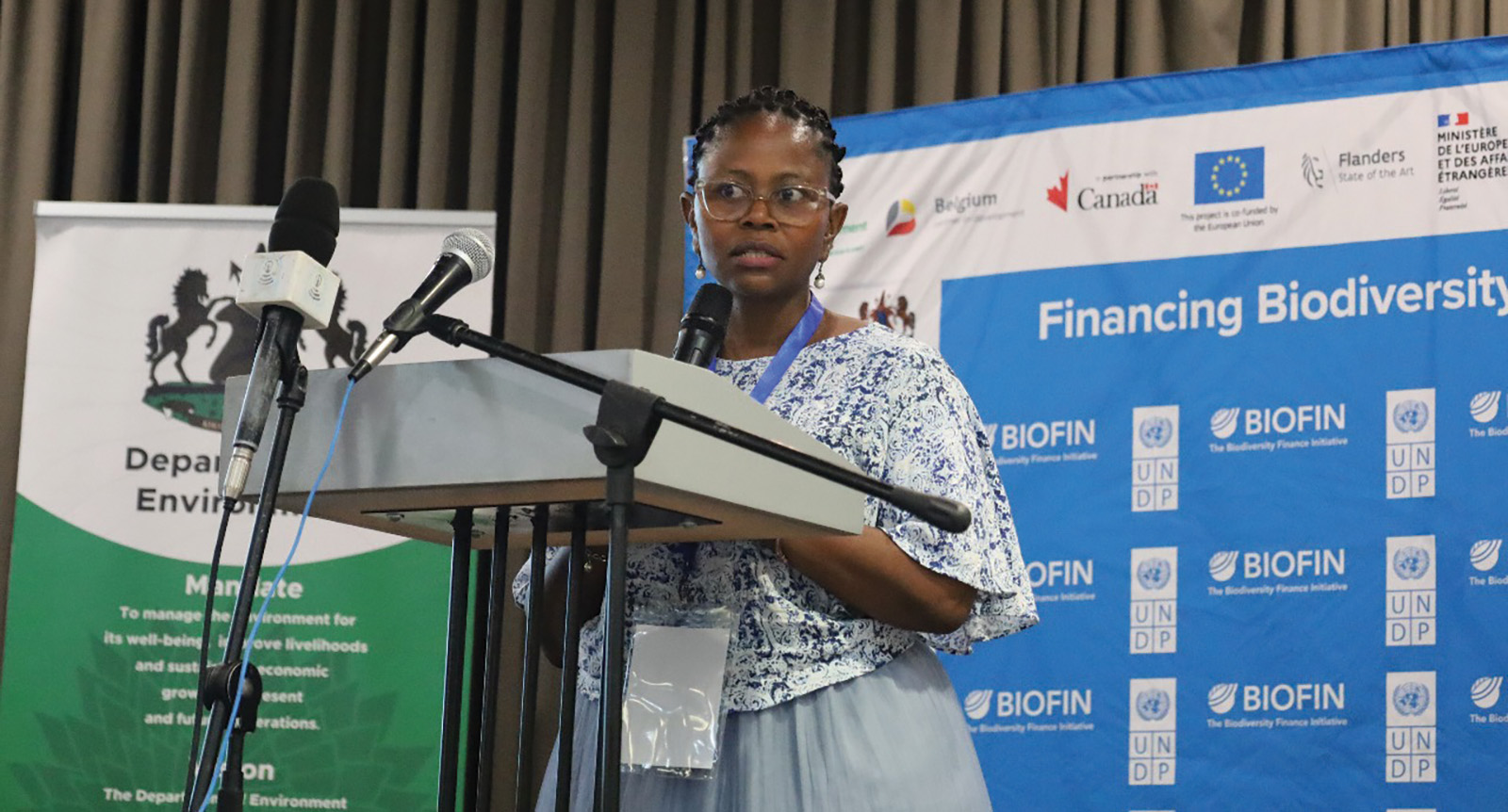
This was said by the Acting Director in the Department of Environment, Qongqong Hoohlo on Monday this week during the launch of the Biodiversity Finance Initiative (BIOFIN).
BIOFIN aims to support Lesotho in integrating biodiversity into national financial planning and decision-making processes, focusing on innovative financing solutions for biodiversity conservation and sustainable development.
Hoohlo indicated that the plastic levy is collected by Revenue Services Lesotho (RSL), and earmarked for the Environment Fund under the Ministry of Environment and Forestry. The levy is part of government’s efforts to boost finance for environment activities.
The Plastic Levy Regulations of 2022 came into effect on December 1, 2024 with the aim of reducing plastic waste, incentivising recycling efforts, and promoting sustainable alternatives.
The initiative also seeks to curb plastic pollution, which poses significant threats to ecosystems and human health.
The levy is charged on plastic shopping bags with a thickness of 35 microns and above.
According to the regulations, the plastic levy is a form of tax, and there is no VAT charged on it. Every manufacturer, wholesaler, retailer, or business providing shopping bags must register under the Environment (Plastic Levy) Regulations 2022 and charge a levy of 90 cents to customers who wish to use plastic bags at the point of sale.
When the government first implemented this initiative, the public had mixed reactions. Some saw it as a manipulative way for the state to make money, while others believed it would curb pollution and keep Lesotho clean.
Speaking in a telephone interview with theReporter this week, Naleli resident and small business owner, Lekhetho Lephoi, welcomed the initiative, citing it is a good thing as long as the money will benefit the country, not individuals.
“I have been saying for years that we need to take care of our environment, and this is a step in the right direction. Since the introduction of the levy, I have noticed a significant reduction in the use of plastic bags in my store. Customers are now opting for reusable bags; only few pay the levy for plastic bags. It’s a small change, but it’s a change nonetheless,” Lephoi said.
Lephoi indicated that there was need to educate the public about the importance of reducing plastic waste, as many people do not realise the harm that plastic causes to the environment.
“We need to work together to make Lesotho a cleaner and greener place. I am willing to pay the levy if it means we’ll have a better environment for future generations. We need to think about the long-term benefits, not just short-term costs. Similarly, the government should be accountable for the levy collected so that it benefits the country,” he added.
A consumer, Thakane Lebona, said she hoped the collected levy would be used for its intended purpose.
“This is not the first huge collection of money made by our government. I am worried that the money will just end up in politicians’ pockets. It is unfortunate that our leaders are not transparent and accountable when administering public funds. Every day we hear of corrupt politicians who chew public funds but walk free. We deserve better as Basotho because the money comes from us, therefore it should benefit us,” Lebona contended, adding that the government should do more to promote reusable bags and recycling.
“I hope the government will use the collected levy to support local communities and environmental initiatives. We need to see real change, not just empty promises,” she said.
Globally, BIOFIN has been instrumental in supporting countries to develop and implement effective biodiversity finance strategies.
Over 130 countries have joined BIOFIN, with 92 advancing national strategies to unlock sustainable nature finance. The campaign has catalysed $1.6 billion for biodiversity conservation and aims to close the $700 billion biodiversity finance gap globally.
As Lesotho continues to implement its plastic levy, it joins a growing community of nations committed to protecting the environment and promoting biodiversity.
Government has urged all businesses and individuals to comply with the Plastic Levy Regulations and support efforts to protect the environment.
Govt collects M6 million plastic levy
a month ago
MPs face backlash over salary hike
a month ago
NGO leads efforts to keep environment clean
a month ago


Ministers visit Katse Dam
a month ago
CBL releases upgraded currency
a month ago
Ministers assess LHWP II progress
a month ago
ETL gives to the elderly
a month ago