
Lesotho confident of AGOA extension

SHARE THIS PAGE!
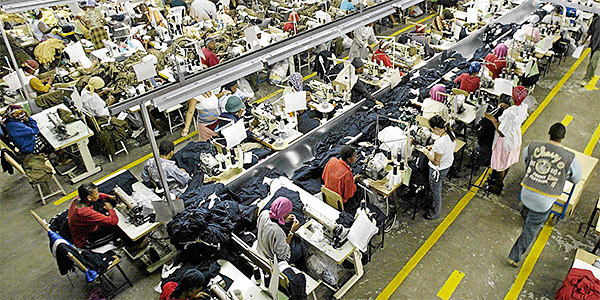
Teaming up with other eligible countries to lobby for renewal of the African Growth and Opportunity Act (AGOA) has buoyed Lesotho’s hopes of reviving its ailing clothing and textile industry.
The Minister of Trade, Industry and Business Development, Mokhethi Shelile, recently led a delegation from eligible sub-Saharan African countries including Kenya, Madagascar, Mauritius, Tanzania, and Lesotho to plead for extension of duty-free access to American markets.
Shelile told a press conference on Tuesday this week that their efforts had paid dividends as the United States House of Representatives had approved a three-year extension.
The House of Representatives voted in favour of AGOA renewal last week, with 340 lawmakers supporting the bill and 54 opposing it. AGOA had expired in September 2025.
This majority decision is now awaiting a nod from the US Senate and endorsement by President Donald Trump.
“We do not have control over the President Donald Trump but we believe that he will sign and approve it,” Shelile said.
The Lesotho government and textile unions had been lobbying for the extension, warning that failure to renew AGOA would devastate the country’s economy and lead to widespread job losses.
The AGOA Extension Act focuses on the extension of certain trade benefits and customs user fees related to imports from specific African countries.
It aims to accomplish, among others, extension of duty-free treatment for imports from specified countries in Africa under AGOA.
The proposed law also proposes to change the expiration date for these benefits from September 30, 2025 to December 31, 2028 which means that countries eligible under AGOA will continue to receive preferential treatment when exporting to the United States for an additional three years. It further amends provisions concerning regional apparel article programmes, increasing certain limits.
Similar adjustments are made to other sections related to third-country fabric programmes, ensuring that more types of fabrics may be used in producing apparel that can be exported duty-free.
In addition, the bill includes a provision for retroactive application of the duty-free treatment. Any covered articles that entered the U.S. after September 30, 2025, and before the enactment of this Act can be treated as if they entered on the date of enactment. This means that importers may request to have their duties recalculated based on the new law.
It adds that importers must submit their requests within 180 days after the enactment of the Act while amounts owed by the U.S. for these re-duties will be paid without interest within 90 days of the liquidation or reliquidation process.
Lesotho confident of AGOA extension
3 days ago

Agency to host fashion week
3 days ago



Ha Pita women found guilty of assault
6 days ago

Vodacom named Africa’s top employer
6 days ago