Lesotho’s hidden crisis; 5,000 living with epilepsy

SHARE THIS PAGE!
In a country where stigma and misconceptions about non-communicable diseases are still prevalent, an estimated 5,000 people are living with like epilepsy, often in silence.
As Lesotho joins the global community in commemorating World Epilepsy Day this year, the focus is on breaking barriers and building bridges towards greater awareness, dignity, and inclusion for those affected.
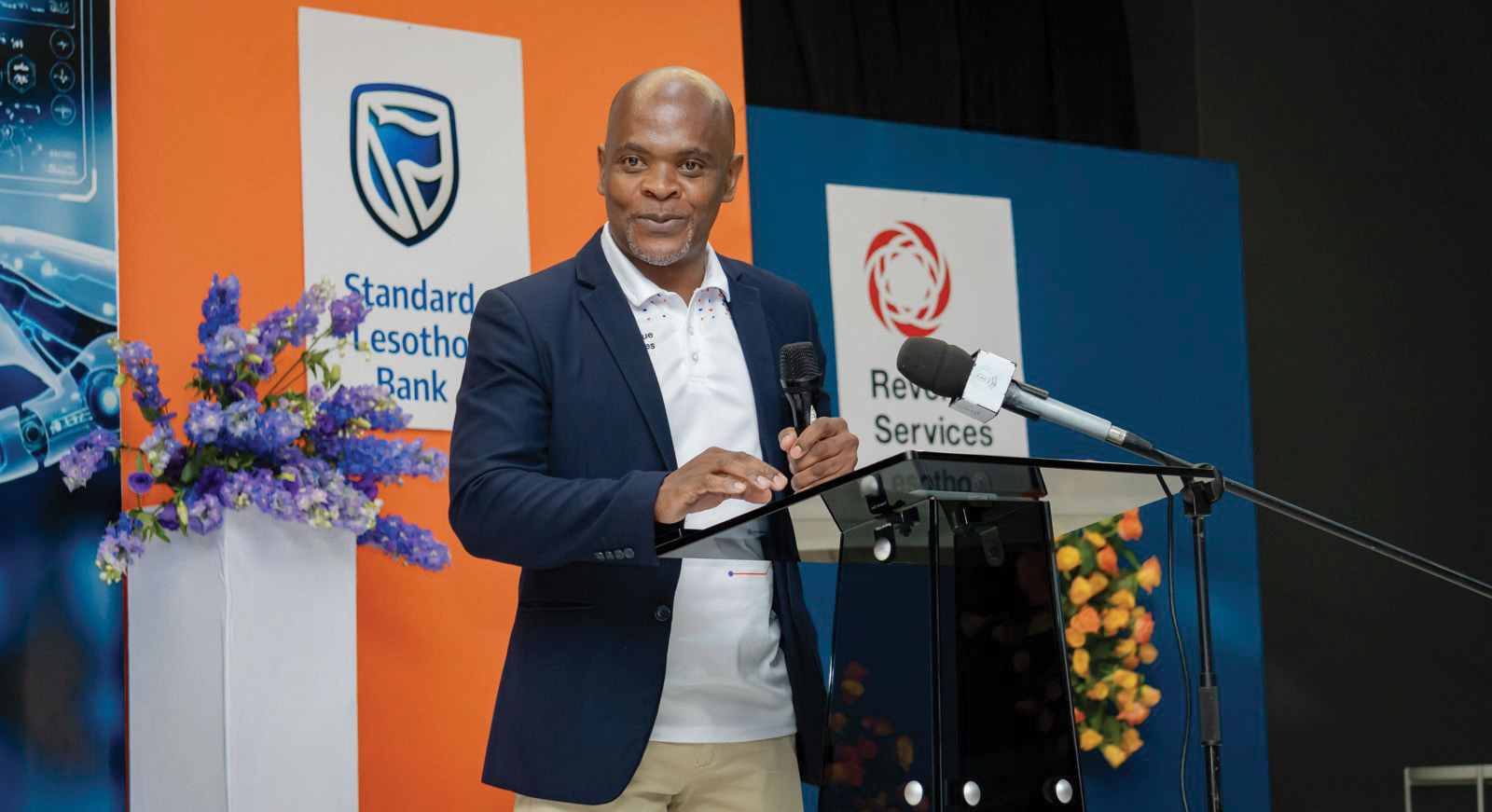
Head of Non-Communicable Diseases at the Ministry of Health, Dr. ‘Malitaba Litaba, says trauma, infections, and idiopathic cases are the leading causes of epilepsy in Lesotho. Some cases result from preventable factors like road accidents and traditional physical practices, such as the use of fighting sticks during conflicts. Many of these causes are preventable.
Dr Litaba noted that early diagnosis and consistent medication can significantly improve quality of life and reduce complications, encouraging communities to seek immediate medical support when seizures occur.
According to the World Health Organisation (WHO), epilepsy is a chronic, non-communicable disease of the brain characterised by recurrent, unprovoked seizures. It affects more than 50 million people globally, making it one of the most common neurological conditions worldwide. Nearly 80 percent of those affected live in low-and middle-income countries, including Lesotho.
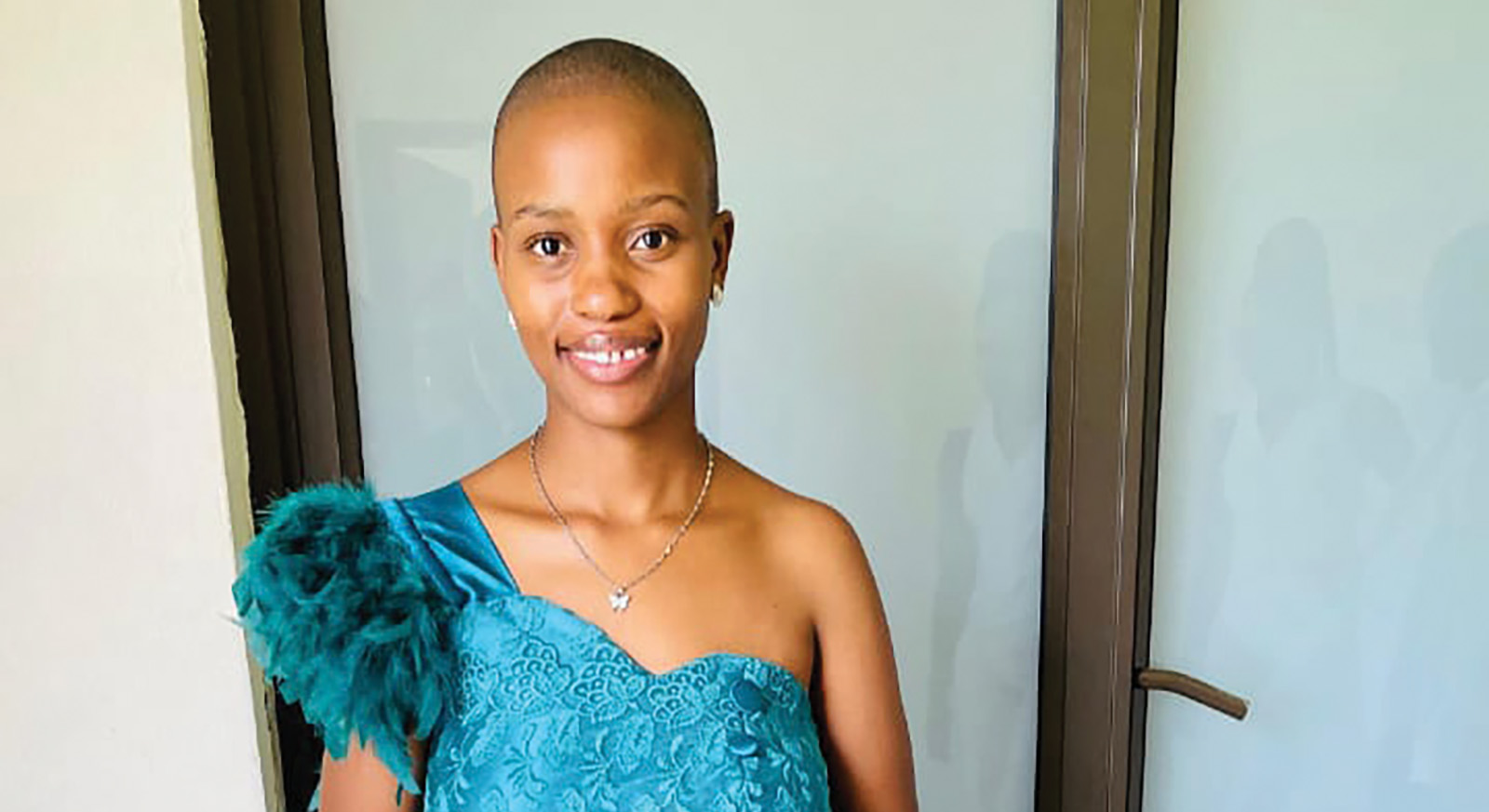
Keneuoe Masenya, a 34-year-old mother who has been on this journey with her daughter shares her story.
Masenya’s daughter was diagnosed with epilepsy at six years old and it was a shock to the family as they never heard of epilepsy before.
This revelation was a difficult pill to swallow, but Masenya was determined to support and help her daughter manage her condition. With the help of her healthcare team, they have learned to navigate the complexities of epilepsy and find ways to keep her safe and healthy.
But since then, the girl has suffered seizures that have affected her in several ways, even after undergoing medical treatment.
Masenya recounts her daughter once fell on the floor, causing a huge swelling on the back of her head.
“My daughter was diagnosed with epilepsy when she was six years old, and it was a shock to our whole family. We had never heard of epilepsy before, and didn’t know what to expect. I remember the day she had her first seizure, it was like nothing I had ever seen before. She was playing in the yard, and suddenly she just fell to the ground and started shaking. I didn’t know what to do,” she says.
“She has so many episodes of her falling very hard, even now at the age of 13 and need special attention, although she is trying hard to be independent,” Masenya notes.
The teenager has become more aware of her condition and is learning to take care of herself. It’s a proud moment for her mother, knowing that she’s strong and capable of overcoming any obstacle that comes her way.
It has been a journey of ups and downs, but we are grateful for the progress she has made. She’s learned to take her medication, and we have learned to recognise signs of a seizure. I am grateful for the support of my family and community, and I hope that others will be inspired by my daughter’s story. She is an amazing young girl, and I am so proud to be her mother, Masenya said.
Masenya also encouraged parents who may be going through the same situation to ask for help.
WHO highlights an encouraging fact: up to 70 percent of people with epilepsy can live seizure-free lives with affordable, daily anti-seizure medicines.
Epilepsy is not contagious, and in most cases, it can be effectively managed at the primary health care level. Yet, despite this evidence, more than three-quarters of people with epilepsy in low-income settings do not receive the treatment they need, the organisation states.
During the commemoration, Minister of Health, Selibe Mochoboroane noted that non-communicable diseases including epilepsy continue to claim many lives, calling for more attention to curb such.
Mochoboroane reaffirmed the government’s commitment to strengthening support systems for people diagnosed with epilepsy.
He further indicated that the Ministry of Health, together with its partners, is dedicated to promoting dignity, inclusion and hope for all patients.
Mochoboroane expressed concern that for years, the health sector has concentrated more on communicable diseases, unintentionally neglecting the non-communicable diseases.
The burden is heavy; non-communicable diseases, including epilepsy, continue to claim many Basotho lives, Mochoboroane said, urging more attention to the condition.
He further stated that although Lesotho is performing better than other countries in managing epilepsy, more work remains to be done.
More than three-quarters of people with epilepsy in low-income settings do not receive the treatment they need due to limited access to essential medicines, shortages of trained health workers, and persistent myths and stigma.
WHO’s Public Health Officer, Dr Sirak Hailu, says the organisation stands together with millions of people around the world to raise awareness, challenge stigma, and reaffirm a simple but powerful truth: “epilepsy is treatable, and people living with epilepsy deserve dignity, quality care, and full inclusion in society.”
Dr Hailu notes that in many developing countries, the barriers associated with epilepsy are well known. These include limited access to essential medicines, shortages of trained health workers, long distances to health facilities, and persistent myths and stigma.
“Too many children with epilepsy are excluded from school. Too many adults are denied employment opportunities. Too many families suffer in silence because epilepsy is misunderstood and feared,” Dr Hailu said.
He adds that the WHO places epilepsy high on the global public health agenda and calls for collective action through the Intersectoral Global Action Plan on Epilepsy and Other Neurological Disorders.
This landmark plan urges countries to strengthen leadership and governance, integrate epilepsy services into primary health care, ensure reliable access to essential medicines, and work across sectors to combat stigma and protect human rights.
While the majority of people with epilepsy can be successfully treated with medication, some require advanced interventions, such as surgery or medical devices, Dr Hailu explains, underscoring the importance of strong referral systems and regional cooperation, even in resource-constrained settings.

Moabi launches record label
4 days ago
Career expo guides future leaders
5 days ago
MMB customers win big
5 days ago



Bar exam delays frustrate law graduates
7 days ago