
MAMA project changing lives in rural Lesotho

SHARE THIS PAGE!
A young Maseru mother-to-be, ‘Mamokete Soke, is counting down the days until she delivers her baby.
At 34 weeks pregnant, Soke is beaming with excitement and gratitude, thanks to the support she’s receiving from the Maternal Aid for Mother’s Assurance (MAMA) project.
Soke, 26, from Nazareth Ha Phallang on the outskirts of Maseru, has known the heartbreak of losing children. Her first child, born while she was still in school, died at just two weeks old. Her second pregnancy ended in miscarriage at six months, due to failure to attend antenatal care (ANC).
Soke says she didn’t attend ANC for her first pregnancy because she was still in school and didn’t know the importance of it.
“For my first child, I didn’t have time to go to the clinic because I was still at school. In addition, I didn’t know the importance of attending ANC,” she recalls.
Soke credits her husband and nurses at Nazareth Health Centre for helping her regularly attend healthcare services provided to pregnant women to ensure that they and their babies are in good health throughout pregnancy, a key strategy to reduce maternal and infant mortality.
As Soke prepares for motherhood, she is filled with hope. She is grateful for this chance and for the MAMA project, an M8 million, two-year initiative piloted in rural areas of Maseru and Berea.
The project is dedicated to improving community health, particularly for women and children in underserved areas, through nutrition, clean water and medical services.
“The role played by my husband and nurses has made me attend ANC without failure,” Soke says, adding that she is grateful for the project’s support and is hopeful that she will deliver a healthy baby.
With the introduction of the MAMA project, I feel honoured that I will be one of the mothers to benefit from it. I will be holding my healthy baby through the support of this project. I may not know the causes of losing my two babies, but I would never intentionally risk losing this one, she notes.
‘Maboitumelo Lethunya, a midwife at Nazareth Health Centre, is determined to make a difference.
During the launch of the MAMA project last Friday, she made a commitment before stakeholders, including funders and implementers of the project. Her commitment is a testament to the tireless work of healthcare workers in Lesotho.
As the MAMA project continues to roll out, Lethunya is hopeful that more lives will be saved, and more families will experience the joy of a healthy birth.
“As a midwife, I will play my role in making sure that no mother or child loses life while giving birth. I also promise to do my best to ensure that all mothers are happy with their bouncing babies,” she says.
Lethunya emphasised the critical role nurses play in ensuring safe deliveries.
All these stakeholders plan and provide guidelines, but at the end, the lives of the mothers and their children remain in our hands, she adds.
As a midwife, Lethunya has seen first-hand challenges that come with giving birth in rural Lesotho. But she has also seen the impact that dedicated healthcare workers can have.
She believes that with the additional support from the MAMA project, health professionals will do their best to ensure lives of mothers and children are saved.
The support is expected to give healthcare workers like Lethunya the resources they need to make a real impact. From providing essential medical supplies to training healthcare workers, the project’s initiatives are designed to strengthen the healthcare system in Lesotho to ensure zero maternal and mortality deaths.
Lesotho faces a high maternal and mortality ratio with recent estimates placing it at 566 deaths per 100,000 live births, according to the United Nations Population Fund (UNFPA). This highlights significant, but often preventable, loss of life linked to poor antenatal care, lack of family planning, and postpartum complications.
Speaking at the launch, Programme Manager, Maternal Health in the Ministry of Health, ‘Mampho Mafereka indicated that MAMA project speaks directly to stakeholders’ commitment to protect lives and dignity of mothers and their new born babies.
“Through this project, we aim to strengthen the quality of maternal health care, promote respectful maternity care for mothers, and also improve early identification and management of early complications,” Mafereka explained.
She reminded healthcare workers that they are the heart of initiatives such as MAMA, further indicating that the project aligns with the government’s commitment to protect the lives and dignity of mothers and new born babies.
Despite efforts to reduce maternal mortality, the country still faces significant challenges, including delays in seeking medical services and gaps in continuity of care, particularly in hard-to-reach areas, she said.
“We also have delays in seeking medical services or maternal health newborn services, and a lack of scans, which is a gap in continuity of care, especially for those living in hard-to-reach areas because mothers are unable to access services due to geographic terrain,” Mafereka explains.
She believes the project comes at a critical time, offering more than just support, but also a promise of quality care for every woman.
It is not just another programme supporting the Ministry of Health, but a promise that every woman deserves respectful, timely, and high-quality care throughout pregnancy, childbirth, and postnatal care, she says.
Mafereka notes that the success of MAMA hinges on healthcare workers. “You are the heart of initiatives like MAMA. The success of MAMA wouldn’t only depend on policies and resources from partners, but on your commitment, compassionate, and respectful care for every mother who walks into our facilities.”
She also called on community leaders to spread the message that maternal health is everyone’s responsibility.
“Let’s work together to ensure every mother gets the care she deserves,” she urges.
Country Director of Adventist Development and Relief Agency (ADRA) Lesotho – a global humanitarian organisation working with people in poverty and distress, Maketekete Thotolo, says maternal health is a community issue, not just a woman’s issue.
He notes that ADRA’s work focuses on four thematic areas: health, education, livelihoods, and emergency response.
The MAMA project is a partnership with the Ministry of Health, funded by ADRA Sweden. It’s currently implemented in five facilities in Berea and eight in Maseru, but Thotolo wishes it could expand. ADRA is supporting the government to reach the hard-to-reach areas.
He also underscored the importance of considering pregnant mothers with disability. “There are mothers with disabilities who get pregnant and give birth. They shouldn’t be ignored, but given priority,” he says.
Thotolo states that ADRA will partner with the Lesotho National Federation of Organisations of the Disabled (LNFOD) to address challenges faced by disabled mothers and reduce maternal and neonatal deaths.
“The MAMA project is designed to help people who bring lives to earth and the future of this country – our children. We have to ensure they survive. We don’t have to lose any mothers or children coming into this world,” Thotolo says.
He calls on communities to get involved, encouraging pregnant mothers to start ANC early to ensure they survive pregnancy, childbirth, and breastfeeding.
“We need to ensure every expectant mother gets maternal health services in time, whether at health services or such services are brought to them,” he says.
Adolescents and young people also need to be taught about Sexual and Reproductive Health Rights (SRHR) to avoid unintended early pregnancies, which contribute to maternal mortality deaths.
LPPA to hold public procurement workshop
6 days ago
NHTC gets shot in the arm
6 days ago
CHE to host higher education fair
8 days ago
Man fined M1,000 for making threats
8 days ago

Power project to create over 400 jobs
8 days ago
Agriculture ministry under fire
8 days ago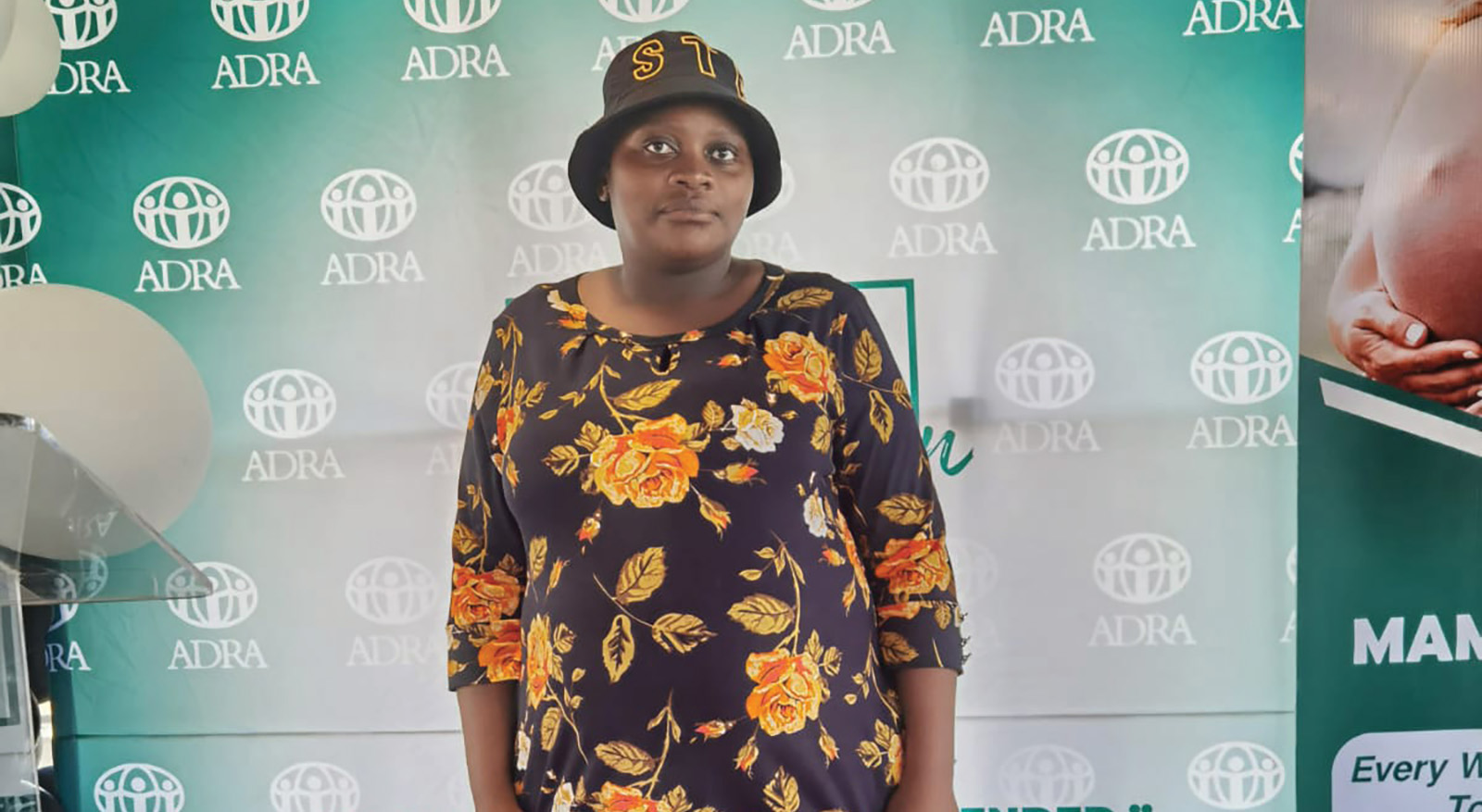
MAMA project changing lives in rural Lesotho
8 days ago
Sesotho film selected for Joburg festival
8 days ago