
Matlanyane urges govt to modernise tax laws
SHARE THIS PAGE!
The need to modernise tax laws and fully embrace technology to improve revenue collection took centre stage during a 2026/2027 post-budget gala dinner hosted by Revenue Services Lesotho (RSL) and Nedbank Lesotho on Wednesday this week.
Delivering the keynote address, Finance and Development Planning Minister, Dr RetšelisitsoeMatlanyane, said Lesotho must urgently update its legal framework and adopt digital solutions to enhance tax administration.
She noted that embracing technology would enable RSL to streamline processes, reduce tax evasion and ultimately boost government revenue.
“The future of tax administration lies in efficiency and innovation,” she said, adding that digital systems can improve compliance while making it easier for taxpayers to meet their obligations.
Dr Matlanyane stressed that improving domestic revenue mobilisation remains critical to supporting the country’s development agenda outlined in the 2026/2027 national budget.
Beyond tax reforms, the minister highlighted vocational education as a key pillar for economic transformation. She said Lesotho must invest in technical and vocational training to equip young people with practical, market-ready skills.
“By focusing on technical and vocational education, the country can empower its youth and drive economic growth,” she said.
She also emphasised that aligning skills development with industry needs would help reduce unemployment and strengthen productivity across sectors.
The minister also urged professionals and industry leaders to explore the use of emerging technologies, particularly Artificial Intelligence (AI), to accelerate national development.
According to Dr Matlanyane, AI has the potential to optimise critical sectors such as agriculture, healthcare and finance, improving efficiency and service delivery.
“If properly harnessed, AI can position Lesotho for sustainable development and global competitiveness,” she pointed out.
The post-budget engagement brought together government officials, business leaders and financial sector stakeholders to reflect on the priorities set out in the 2026/2027 budget and explore collaborative ways to drive economic resilience and inclusive growth.
Associations join efforts to reduce crime
12 days ago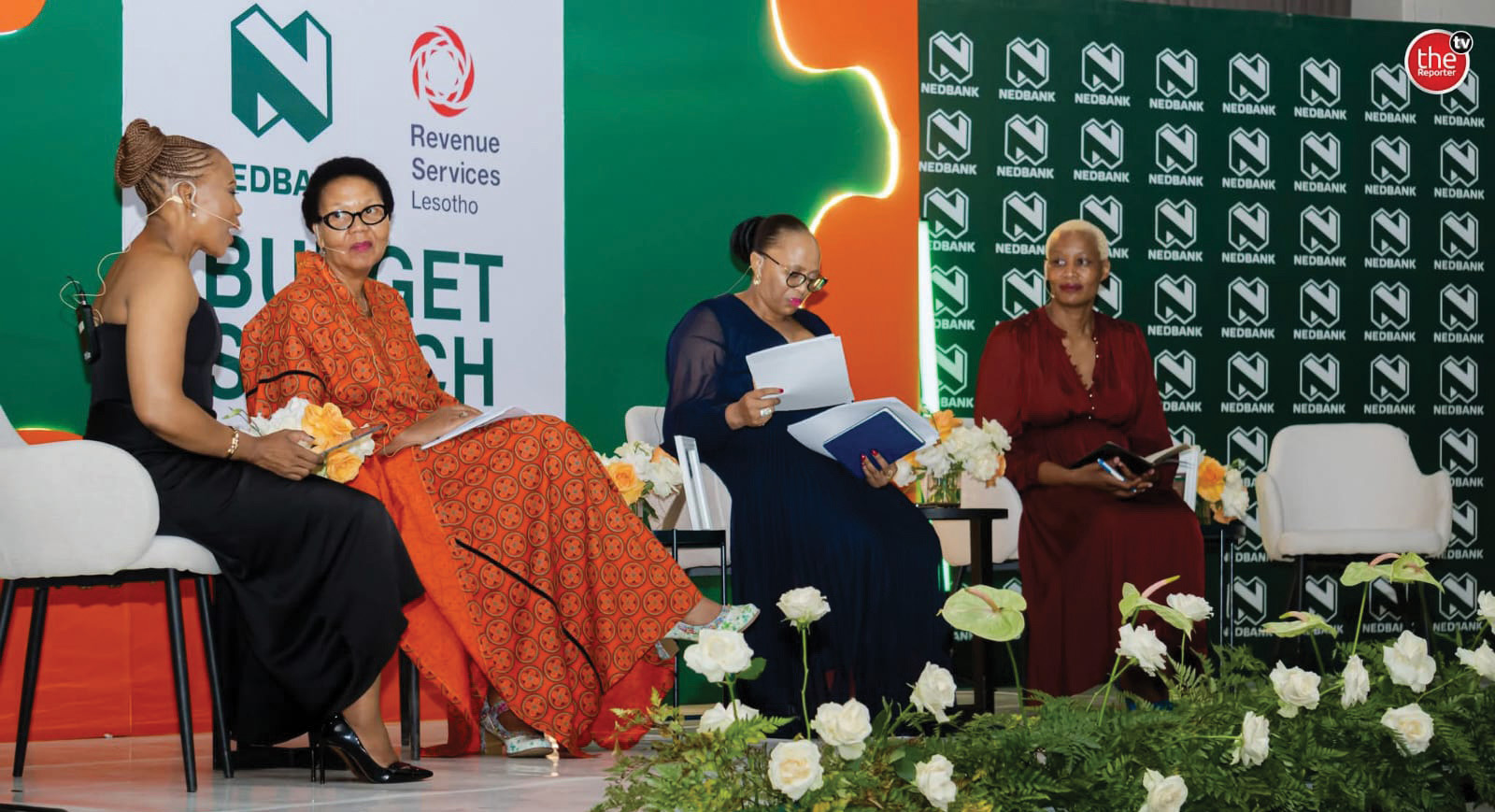
Matlanyane urges govt to modernise tax laws
12 days ago
Ex-NUL student turns Sehalahala shrub into fuel
15 days ago
LHDA launches 2nd TBM naming competition
15 days ago
Matala Local Court dismisses divorce application
15 days ago
Basotho migrants in peril
15 days ago
Bloated public sector wage bill unsustainable
15 days ago
Govt moves to flash out ghost pensioners
17 days ago
Lucky ETL customer wins Toyota Starlet
17 days ago