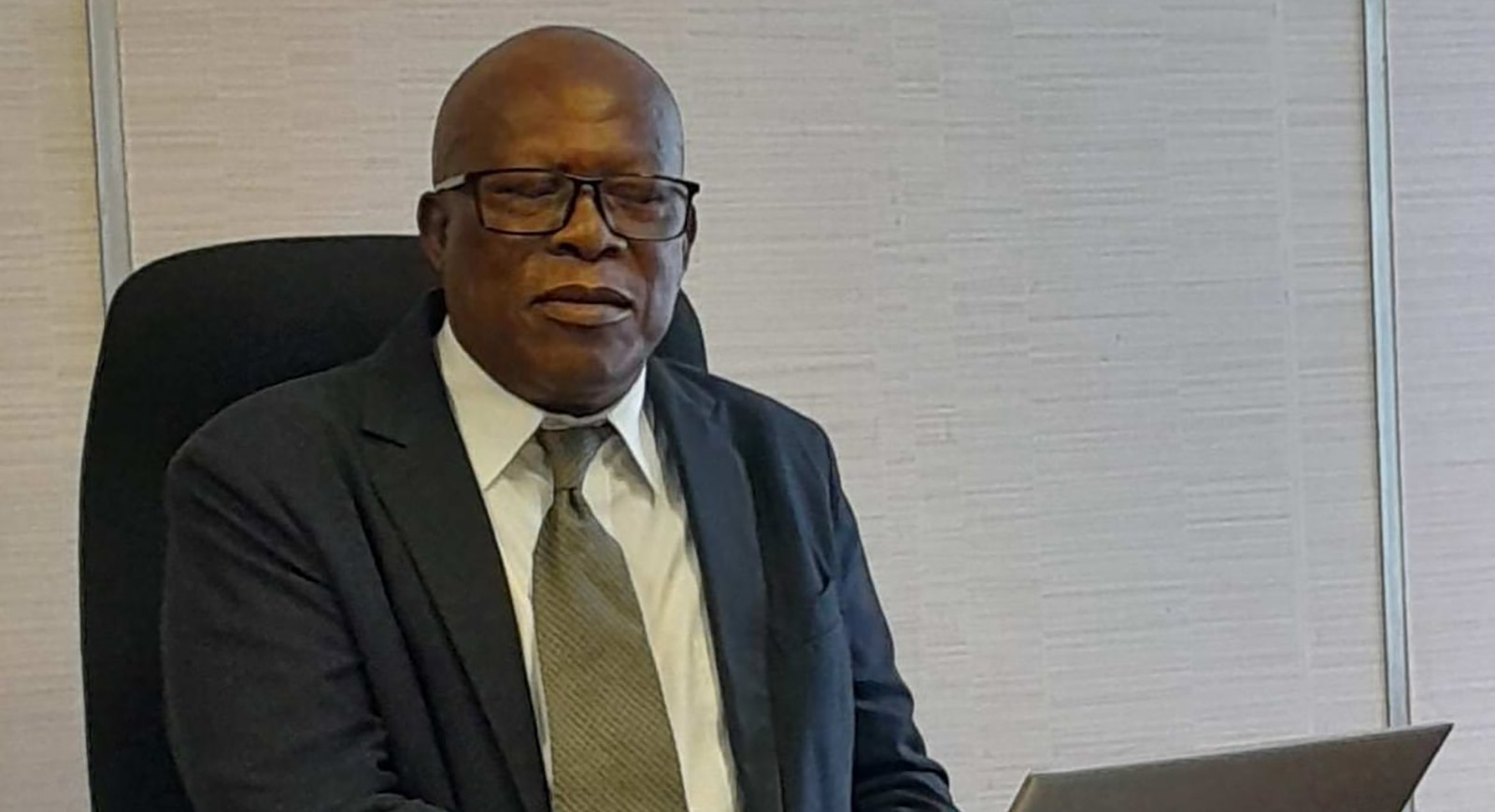
MPs face backlash over salary hike
SHARE THIS PAGE!
Government’s recent decision to increase salaries for Members of Parliament (MPs) by two percent has sparked outrage among the youth, with many expressing feelings of betrayal and frustration.
They say the legal notice published in the government gazetted, Vol, 70. No 99announcing new salary scales and allowances for legislators and executive is an indication of misplaced priorities for the country.
In separate interviews with this publication this week, the youth questioned the timing of the salary increase in the government gazette titled: ‘Members of Parliament Salaries (Amendment of Schedule) Regulations of 2025’, citing economic challenges, high inflation, and unemployment that the country is grappling with.
The regulations were tabled before the National Assembly on Wednesday last week by the Minister of Parliamentary Affairs and Deputy Prime Minister, Justice Nthomeng Majara. They repeal the Statutory Salaries (Amendment of Schedule) Regulations, 2024.
According to the new regulations, the Prime Minister is set to earn M778,668 annually or approximately M64,889 monthly and category A allowances. The Deputy Prime Minister will take home M672,468 annually, or around M56,039 monthly and also category A allowance.
Ministers and the Speaker of the National Assembly will earn M651,096 per year, or M54,258 monthly, with category B allowances, while the President of the Senate, Leader of Opposition, Deputy Ministers, and Deputy Speaker of the National Assembly will receive M562,044 annually, or M46,837 monthly, with category C allowances.
Other officials’ salaries include the Vice President of the Senate at M551,388 annually (M45,949 monthly), Members of the National Assembly at M495,948 annually (M41,3290 monthly), and Senators at M473,832 annually (M39,486 monthly) and category D allowances.
MPs and ministers also enjoy several additional benefits, including a monthly fuel allowance of M5,000, a sitting allowance for attending parliamentary sessions of M150, and a monthly transport allowance of M5,000. They also receive other benefits such as housing, medical care, and pension schemes. Ministers receive official vehicles, often with chauffeurs, government-provided housing or housing allowances, travel allowances for official trips, and security services, including bodyguards.
These benefits have been subject to public debate, with some arguing they are necessary for officials to perform their duties effectively, while others see them as excessive.
Commenting on the salary hike, Mahlomola Sehlabaka, a student at the Lesotho College of Education (LCE) lamented the increases, citing the country’s struggling economy and the widening gap between the haves and have-nots.
Sehlabaka said the move was a clear indication that local politicians were out of touch with the realities faced by ordinary Basotho. They seem to be prioritising their own interests over the nation’s well-being, he noted.
“We see the struggles our people are facing, and we know that this decision is a slap in the face. It’s tone-deaf, to say the least. That’s unacceptable.
“Government should be focusing on creating jobs, stimulating economic growth, and addressing the cost of living, not lining their own pockets,” he added.
Sehlabaka’s sentiments are echoed by many across the country, who are calling for greater accountability and transparency in government spending.
Another youth, Limakatso Lebitsa, said, “I am not surprised, politicians are the same, they are just enriching themselves, not even thinking about ordinary Basotho who voted for them. We vote but remain unemployed. We are just tools for them to get to power. It’s not fair,” Lebitsa said an interview with theReporter on Monday this week.
She accused politicians of taking voters for granted and not caring about their future.
“We voted for change, not for them to get richer through salaries. Besides, they already have a lot of other benefits, while we struggle to put bread on the table,” she noted.
On his/her part, Motlalepula Makhata said the announced salary increase was not justified as most politicians were not working hard.
“The just sit in parliament sleeping, not contributing anything. Some of them have never made any contribution towards the development of this country,” he pointed out.
Makhata stated that some MPs fail to attend parliament sittings and this hinders progress especially when voting on important issues, yet they still get all their dues at the end on the month.
It was worrying that legislators and ministers get increased salaries, the majority of youths are struggling to find jobs. Those working, especially in the private sector and textile industry earn salaries that can’t even feed their families.
“It not fair. The government should be investing money in projects that create jobs for the youth. Officials should be working hard to develop the country, not just lining their pockets,” she added.
Govt collects M6 million plastic levy
a month ago
MPs face backlash over salary hike
a month ago
NGO leads efforts to keep environment clean
a month ago

Ministers visit Katse Dam
a month ago
CBL releases upgraded currency
a month ago
Ministers assess LHWP II progress
a month ago
ETL gives to the elderly
a month ago