
Nedbank delivers resilient growth

SHARE THIS PAGE!
Despite a constrained operating environment and once-off impacts, Nedbank Group delivered resilient earnings, strengthened its balance sheet and reshaped its portfolio.
This helped the group to position itself to compete more aggressively in South Africa and selected high-growth regions across the continent.
For the year ended December 31, 2025, headline earnings increased by two percent to R17.2 billion, while diluted headline earnings per share rose three percent.
Return on equity (ROE) remained robust at 15.4 percent (2024: 15.8 percent), comfortably above the group’s cost of equity.
Strong capital metrics including a CET1 ratio of 12.9 percent and a tier 1 capital ratio of 14.5 percent – supported a final dividend declaration of 1 104 cents per share.
The Nedbank Group on Tuesday this week said the earnings growth was underpinned by an improved impairment charge, offsetting slow revenue growth and a decline in associate income following the disposal of the group’s 21 percent stake in Ecobank Transnational Incorporated (ETI) in December 2025.
Expense growth included a once-off settlement with Transnet, further reflecting the exceptional nature of several 2025 line items.
Chief Executive Jason Quinn described 2025 as a transformative year marked by decisive portfolio optimisation.
Quinn said strategic actions included the restructuring of the Retail and Business Banking (RBB) and Nedbank Wealth clusters into two focused divisions – Personal and Private Banking (PPB) and Business and Commercial Banking (BCB) – alongside the acquisition of fintech innovator iKhoka and a landmark offer to acquire a majority stake in NCBA Group.
The restructuring is already yielding measurable results.
“In PPB, active clients grew nine percent, while the cross-sell ratio improved to above 2.0 products per client. Front-book growth in key lending portfolios strengthened, and insurance premiums in the MyCover suite surged 26 percent. In BCB, accelerated loan payouts in the second half of 2025 and a stronger pipeline heading into 2026 signal renewed momentum.
“The integration of Eqstra and iKhoka is expected to unlock further scale and value in the SME and commercial segments,” Quinn noted, adding the ETI disposal forms part of a broader African strategy reset, sharpening focus on SADC and East Africa.
In January 2026, Nedbank announced an offer to acquire approximately 66 percent of NCBA Group, one of East Africa’s most prominent financial institutions with operations in Kenya, Uganda, Tanzania and Rwanda, and a digital presence in West Africa.
For the first time in its history, Nedbank surpassed eight million total clients – a milestone reflecting sustained client acquisition and engagement efforts.
Digital adoption continues to accelerate across the franchise. In PPB, digital transaction volumes increased 10 percent and values rose 16 percent, supported by a 9 percent increase in digitally active retail clients to 3.4 million. Active users of the Nedbank Money app climbed 14 percent to 3.0 million, driving a 15 percent increase in transaction values.
Within Nedbank Africa Regions (NAR), 70 percent of retail clients are now digitally active, achieving the division’s 2025 target. App usage in NAR increased 18 percent, underscoring the bank’s technology-led growth strategy.
Client satisfaction metrics remain strong. PPB’s Consumer Net Promoter Score ranked second among South Africa’s five largest banks in the latest Kantar survey. Small Business Services recorded its second-highest NPS levels in nine years, while Corporate and Investment Banking (CIB) client satisfaction aligned with global benchmarks.
NAR headline earnings declined one percent to R1.6 billion, primarily due to the absence of associate income in the second half. However, SADC operations delivered strong results, with headline earnings up 15 percent to R672 million.
Net interest income in SADC increased nine percent to R2.9 billion, supported by 17 percent growth in average loans and advances to R26 billion amid rising corporate activity. Non-interest revenue rose 5 percent, driven by higher client activity and stronger trading income. Impairments declined seven percent to R292 million, reflecting improved recoveries and lower expected credit loss adjustments in Namibia.
South Africa’s GDP growth is forecast at 1.5 percent in 2026, with consumer spending expected to benefit from lower interest rates and improved confidence. Fixed investment is also projected to recover gradually, supporting wholesale banking activity.
Management expects strong underlying growth momentum to be partially offset by the normalisation of wholesale impairments from a low 2025 base, endowment pressure from lower rates and the non-recurrence of ETI associate income. Nevertheless, ROE for 2026 is projected to remain above 15 percent and above an improved cost of equity of 14.0, with a medium-term target of approximately 17 percent.
As Quinn concluded, Nedbank’s strategy is clear: sharpen focus, deepen client relationships, scale digital capabilities and deploy capital with discipline. After a year of transformation, the group appears poised not just to defend its position, but to grow it.

Family awarded pregnancy damages, child support
10 days ago
Nedbank delivers resilient growth
10 days ago
Art competition showcases local talent
10 days ago
King Letsie III envisions prosperous Lesotho
10 days ago
PM warns Chinese businessman over unpaid dues
10 days ago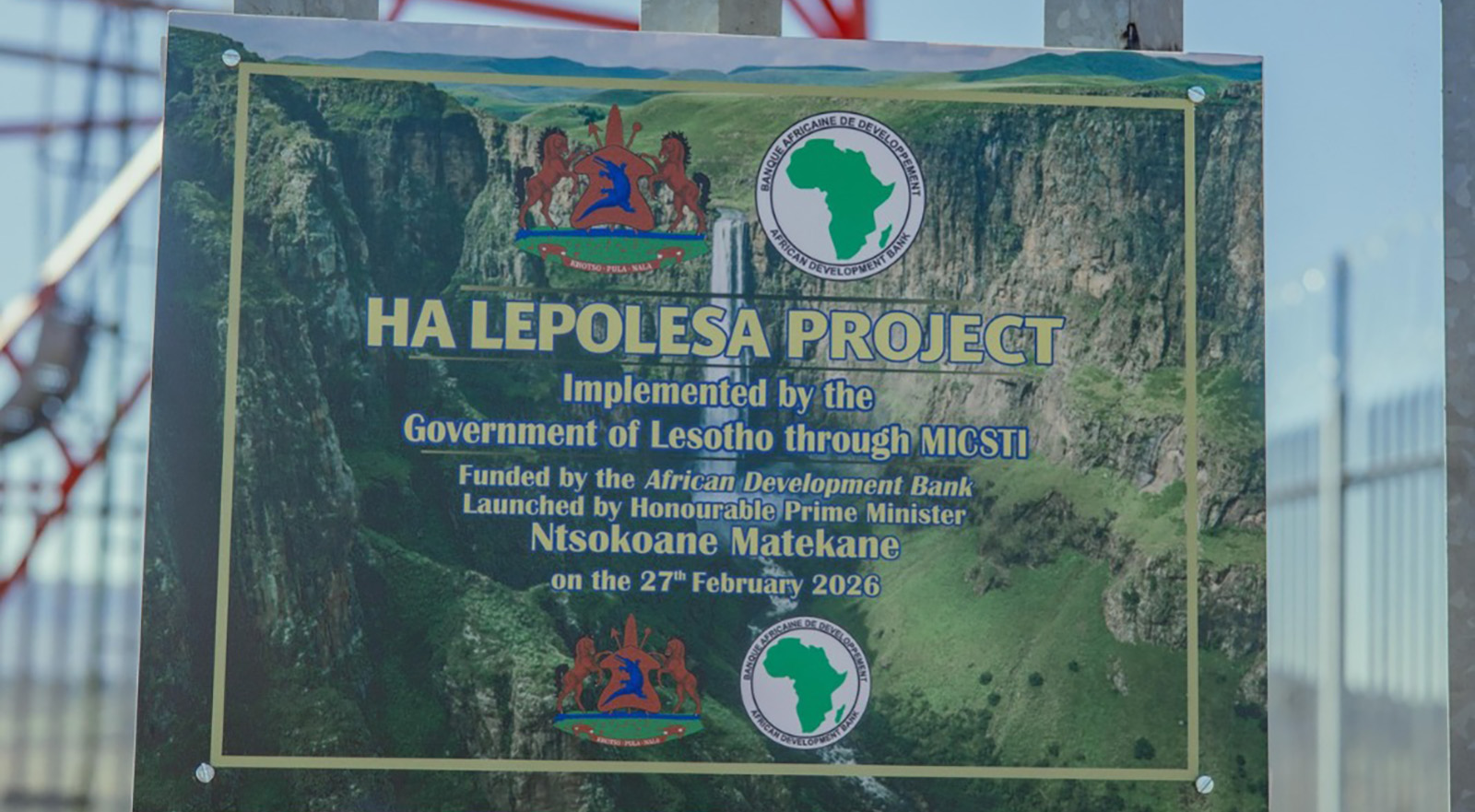
ETL welcomes Ha Lepolesa base tower launch
14 days ago
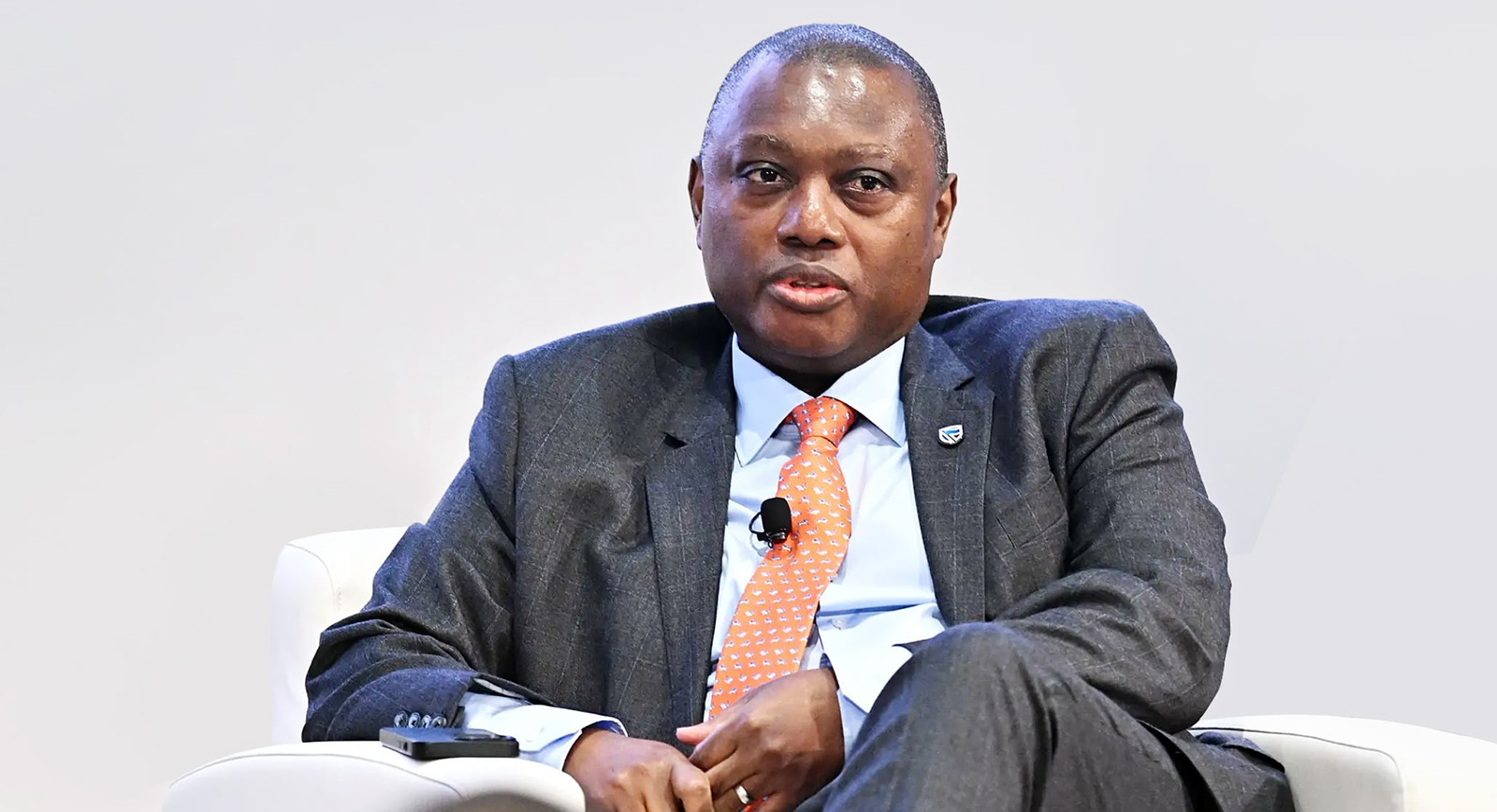
SBL hosts AMC26 focusing on growth
21 days ago

IEC to host staff wellness retreat
22 days ago