World Bank drives jobs, resilience, and growth

SHARE THIS PAGE!
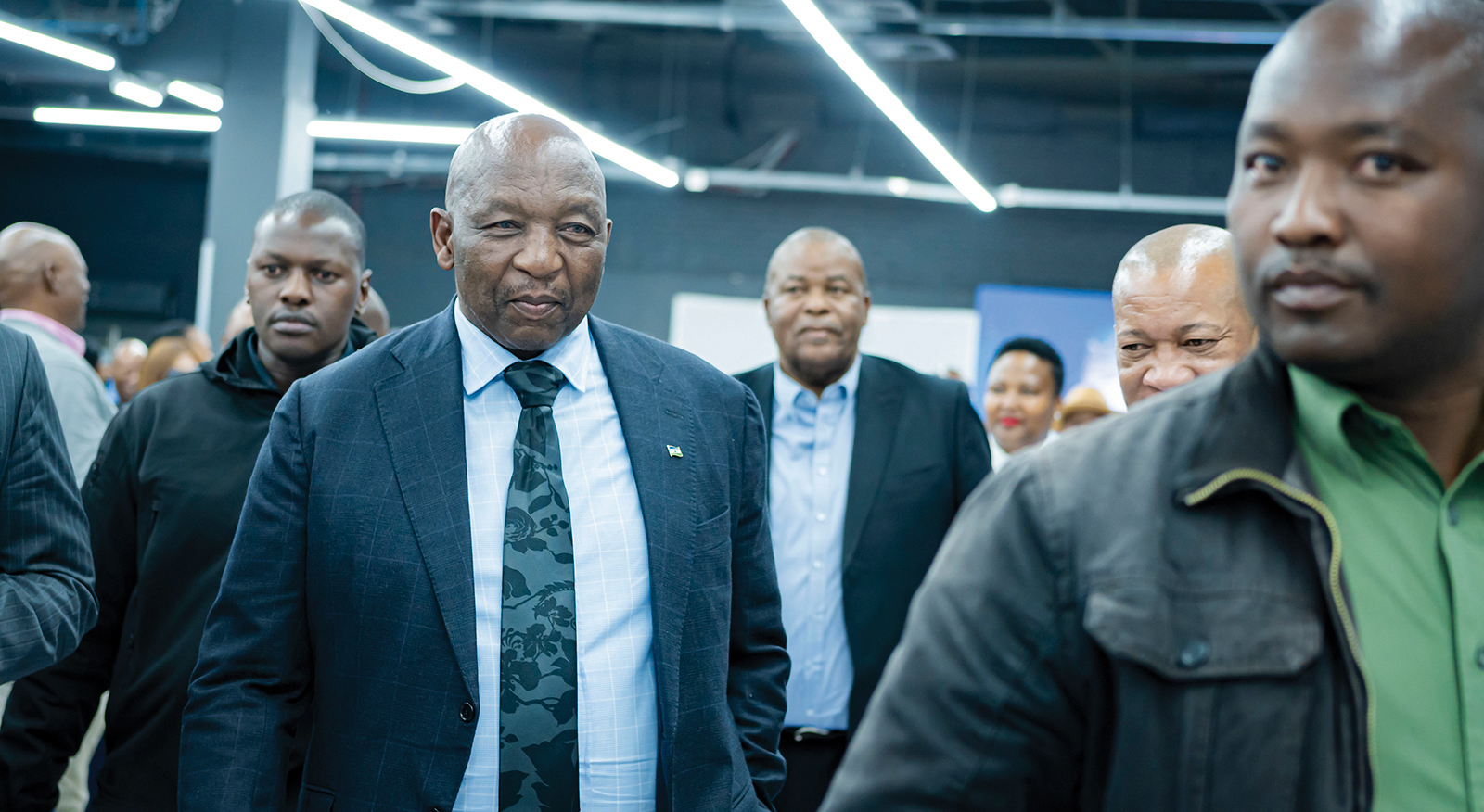
The World Bank Group (WBG) Day held in Lesotho this week took stock of progress achieved under the FY24–28 Country Partnership Framework (CPF). It further offered first-hand insights into how development initiatives being undertaken by the Group in partnership with the Government of Lesotho and its development partners are transforming lives and helping to meet community expectations and priorities.
In this exclusive interview with theReporter’s Neo Kolane, World Bank Representative for Lesotho, Dinara Djoldosheva, discusses progress, partnerships, challenges, and the path ahead under the National Strategic Development Plan (NSDP) II.
You celebrate World Bank Group (WBG) Day in Lesotho this week. What is the significance of this day?
The inaugural World Bank Group Day showcases concrete progress under the Country Partnership Framework between the World Bank and Lesotho and highlights next steps to scale impact with government and partners. The day also raises awareness about the World Bank Group support and efforts to reduce poverty and promote inclusive, sustainable growth for all Basotho. It further offers first-hand insights into how development initiatives are transforming lives and helping anchor our work in real community expectations and priorities.
What is the focus of the FY24–28 Country Partnership Framework (CPF)?
The CPF is all about jobs, people, and resilience. It is premised on three high-level objectives (HLOs).
HLO1: Increased private sector employment via better regulations and Micro Small Medium Enterprises (MSME) opportunities.
HLO2: Improved human capital through stronger education, health, and social protection systems.
HLO3: Improved climate resilience through better natural resource management and household resilience.
Digital systems and gender are integrated across the programme.
What progress has been achieved in Lesotho so far under the FY24–28 CPF?
It is important to highlight that our current portfolio in Lesotho is valued at $400 million and is spread across nine projects. These projects support various sectors including water, education, energy, transport, public sector, private sector, health, agriculture, and social protection. These projects directly contribute to the CPF high level objectives.
Education investments have achieved strong outcomes. The $7.1 million Lesotho Basic Education Strengthening Project exceeded targets: junior secondary dropout rates dropped from 27 percent to 19.8 percent (notably 5.2 percent for females), 87 percent of teachers completed online training (vs. 50 percent target), and literacy/numeracy in early childhood centres rose by 14 percent and 13.6 percent. Sixty-nine schools formed youth clubs, engaging 3,484 students.
A total of 1,661 maths and science teachers were trained, and 81 percent of early childhood staff (754) were prepared for the new curriculum. Building on this, the $20.65 million Lesotho Education Improvement Project (LEIP) seeks to improve teaching quality and conditions for 100,000 students. LEIP recently commissioned the construction of 46 primary schools across Lesotho.
The Lesotho Lowlands Water Project seeks to improve water access for over 100 000 people. To achieve this, the project has laid 412.50 km of water pipelines, 25.50km bulk transmission pipelines, constructed and rehabilitated 385 km of the distribution network. The project is also constructing a 27.5 ML treatment plant in Leribe District.
The Competitiveness and Financial Inclusion Project have trained 27 organisations, supported 125 start-ups and 119 SMEs, and established seven commercial farms prioritising youth and women entrepreneurs.
Lesotho’s Nutrition and Health System Strengthening Project is tackling childhood stunting, which affects over one-third of children. By training 8,363 village health workers and reaching 580,000 women, the initiative is expanding nutrition services, growth monitoring, and immunisation.
Under the Lesotho Renewable Energy and Energy Access Project, the Rothe Electrification Project has connected around 900 households to the grid, bringing reliable power for study, small businesses, safety, and essential services. This concrete result advances Lesotho’s goal of universal electricity access under the Mission 300 initiative, showcasing effective government–community–partner collaboration.
Agricultural transformation is supported by the Smallholder Agricultural Development Project II, with 106,983 farmers adopting climate-smart practices (target: 75,000) across 65,213 hectares (target: 45,000).
The Pathways to Sustainable Livelihood Project links social protection with economic empowerment, helping vulnerable families and people with disabilities launch enterprises. To date, 2220 beneficiaries have completed at least 10 out of 12 training sessions, of whom 64 percent are women and 38 percent are youths between the ages of 18 and 35. 7 percent of these 2220 participants are people with disabilities. A total of 2172 beneficiaries have had their business plans approved, and 2166 of them have received their productive grants. A second cohort of 2,500 beneficiaries is being onboarded.
How is this CPF compared to the previous cycle?
This FY24–28 CPF has a sharper focus on jobs, human capital, and climate, with a public monitoring and evaluation dashboard and a territorial approach to better reach urban and mountainous areas. Moreover, the citizen engagement in the project has increased accountability and ownership.
How are you working with the Government of Lesotho and its development partners to scale up the impact of these achievements?
Our work is in alignment with the Government’s priorities under the NSDP ll and is implemented through line ministries and delivered using country systems.
Concretely, we combine investment operations with technical assistance and results-based approaches, and coordinate with partners to avoid duplication. We also leverage partner expertise to scale what works such as youth clubs.
We are working with the private sector on investment climate reforms and are engaged in different sector dialogues to broaden private investment uptake.
What is difference with this new CPF?
The FY24–28 Lesotho CPF explicitly incorporates lessons from the FY16–20 CPF and its completion and learning Review to stay tightly aligned with NSDP II while improving implementation and results.
Key lessons were to keep the strategic focus areas, be more selective and leverage the existing portfolio, strengthen hands‑on capacity building and portfolio management, deepen development‑partner coordination, focus on lagging regions while harnessing urban agglomeration, and sharpen the results framework and indicators especially around private‑sector job creation. These lessons now underpin the FY24–28 CPF’s design and delivery approach, with cross‑cutting emphasis on digitalisation and gender, and structured, ongoing monitoring and evaluation.
On private sector development, what type of assistance is the World Bank providing, and what concrete progress are you seeing so far?
Measures to improve firm competitiveness and financial inclusion (CAFI): The CAFI project is strengthening private sector development in Lesotho by improving the business environment, expanding access to finance, and supporting firm‑level growth, particularly for Micro Small Medium Enterprises, women, and youth. Key reforms include digitising and streamlining government‑to‑business services via the One‑Stop Business Facilitation Centre (OBFC) and the Lesotho National Single Window (LNSW), reducing time and costs for business registration, licensing, and regulatory compliance.
Through the Lesotho Entrepreneurship Hub and the Lesotho Enterprise Assistance Programme matching‑grants, CAFI has incubated roughly 200 enterprises, strengthened enterprise support organisations, and contributed to approximately 2,100 jobs. The project has also catalysed innovation in financial services (e.g., group lending) and strengthened credit infrastructure to improve MSME access to finance, productivity, and resilience.
Supporting private sector growth through trade and logistics, the Integrated Transport and Trade Logistics (ITTL) project complements CAFI by tackling structural constraints to firm competitiveness and private investment. Planned investments in trade facilitation systems, border management, and logistics infrastructure, including integrating e‑Phyto into the LNSW — aim to lower trade costs, improve predictability, and help firms access regional and global markets more efficiently. Targeted logistics and cold‑chain investments for horticulture are expected to help crowd in private investment and support diversification.
Creating a conducive business‑enabling environment: The Investment Climate Action Plan (ICAP) offers a framework to prioritize and sequence reforms and send a clear, credible signal to investors. It can address remaining bottlenecks around regulatory clarity, investor entry, and aftercare. Central to this is a clear investment policy, reflected in a modern investment law that sets out investor rights, incentives, obligations, and institutional roles. Such a framework would strengthen policy certainty and enhance Lesotho’s capacity to attract and retain quality private investment for growth and job creation.
Governance and service delivery are very important under the new FY24–28 Country Partnership Framework. What programmes will be undertaken during to improve these two goals?
Lesotho has various programmes under the CPF for the period FY24-28 that are both cross-cutting in nature and sector specific, with both types of programmes being mutually reinforcing to improve service delivery.
In terms of cross-cutting programmes, one of the projects that the Government of Lesotho is implementing is the Public Sector Foundations for Service Delivery Project. The project aims to strengthen core functions of government administration, increase transparency, and accordingly enhance the efficiency and accountability of public services. Key activities include:
- Strengthening Public Financial Management. The project prioritises improving systems that control and track government spending. By enhancing expenditure management, Lesotho can reduce fiscal leakages, improve budget discipline, and ensure public funds are used more effectively.
- Improving Human Resource Management and Institutional Capacity. The project supports organisational transformation and human resource management systems including training and strengthening capacities in the Ministries of Finance and Public Service to boost institutional capacity and professionalisation of the civil service.
- Building Shared Digital Government Foundations. The project focuses on digital transformation by creating shared administrative platforms that allow ministries and agencies to exchange information and deliver services electronically. Digital systems improve service delivery by reducing manual procedures which are often slow and prone to errors or corruption, and online platforms make services more accessible and accountable.

Lucky ETL customer wins Toyota Starlet
5 days ago
Media to get training on trade reporting
6 days ago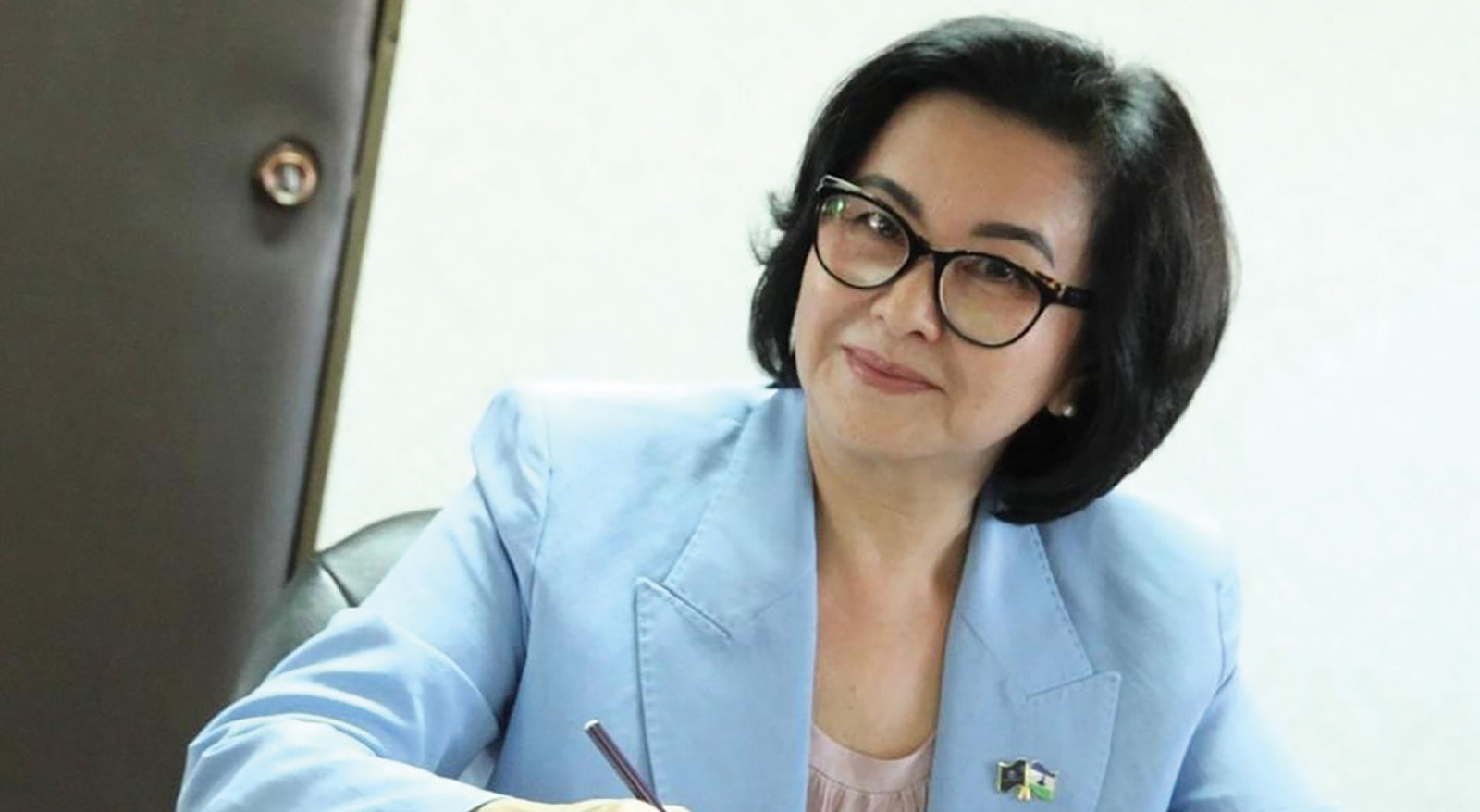

Moabi launches record label
6 days ago
Career expo guides future leaders
7 days ago
MMB customers win big
7 days ago