
LEWA clears way for seven rural mini-grid projects

SHARE THIS PAGE!
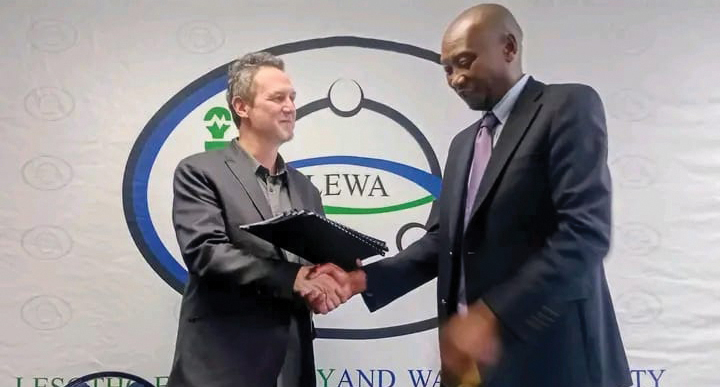
The Lesotho Electricity and Water Authority (LEWA) has granted license exemptions to One Power Lesotho for seven mini-grid projects expected to expand access to electricity in 70 villages across some of the country’s remote rural areas.
The exemptions were announced this week, marking a step towards accelerating electricity supply to communities that face challenges accessing conventional infrastructure because of Lesotho’s mountainous terrain and limited road networks.
LEWA Chief Executive Officer, Lebeko Sello, explained that the exemptions did not remove the projects from regulation, but were intended to simplify the licensing process applicable to smaller electricity supply projects.
“When we have a license exemption, we are not exempting the person from being licensed. The supply of electricity is a licensed activity because there are issues of pricing, safety and the standards that apply,” Sello said.
He noted that the exemptions allowed projects to avoid the demanding processes normally applied to larger electricity entities, while still operating within the regulatory framework governing electricity supply.
The seven mini-grids cover Ketane in Mohale’s Hoek, serving nine villages; Tosing Sebapala Quthing, serving eight villages; Tlhanyaku in Mokhotlong, covering 16 villages; Sehlabathebe in Qacha’s Nek, covering seven villages; Matsoaing in Mokhotlong, covering 11 villages; Mashai-Sehonghong in Thaba-Tseka, covering 13 villages; and Makebe-Berea, covering six villages.
Sello said the authority was aware of the difficulties experienced by people living in remote settlements and was therefore pleased to facilitate electricity supply through mini-grid systems.
One Power Lesotho Chief Executive Officer, Matthew Orosz, said the company had been working towards rural electrification for almost two decades, moving through planning, preparation, piloting, pre-commercial and commercial stages.
Electricity was essential for rural communities seeking to modernise their livelihoods, particularly in areas where traditional grid infrastructure could take many years to reach, he pointed out.
Lesotho’s mountainous landscape, difficult terrain, isolated settlements and roads that can be affected by heavy rains make extending conventional electricity networks challenging. Mini-grids provide an alternative means of connecting communities that may otherwise remain outside the traditional grid.
One Power Lesotho says its systems were designed to provide the same quality of electricity available in urban areas, with a supply of 220 volts and 50 hertz. This means residents can use electricity for businesses, health facilities, welding and other activities that require reliable power.
“For rural people, electrification is an essential service. It is very challenging to provide in remote areas of Lesotho, but these mini-grids can provide the same quality of electricity that people enjoy in the lowlands,” Orosz said.
The project has also attracted investment from development finance institutions and the Lesotho Pension Fund, supporting the construction of electricity infrastructure in rural communities.
One Power Lesotho has more than 60 employees, most of whom are deployed in the highlands where the company operates.
LEWA Manager of Consumer Affairs and Communication, Teboho Senthebane, said the Authority regulates the electricity supply industry as part of its mandate, including issuing, monitoring and enforcing licences.
The handover therefore, represents a regulatory step towards expanding electricity access while maintaining standards governing the supply of electricity in Lesotho.
M400 loan facility struggles for uptake
10 days ago
RSL trains journalists on tax reporting
10 days ago
‘Health failures a national crisis’
11 days ago

Pension recalculation starts next month
23 days ago
Man accuses guard of damaging car key
24 days ago