
Health ministry gets M5m for drug authority offices

SHARE THIS PAGE!
The National Assembly has approved a M5 million budget for the Ministry of Health to build offices for the Lesotho Medical and Medicine Devices Authority (LeMERA) during the 2026/27 financial year.
LeMERA is responsible for ensuring the safety, quality and efficacy of medicine, medical devices in the country.
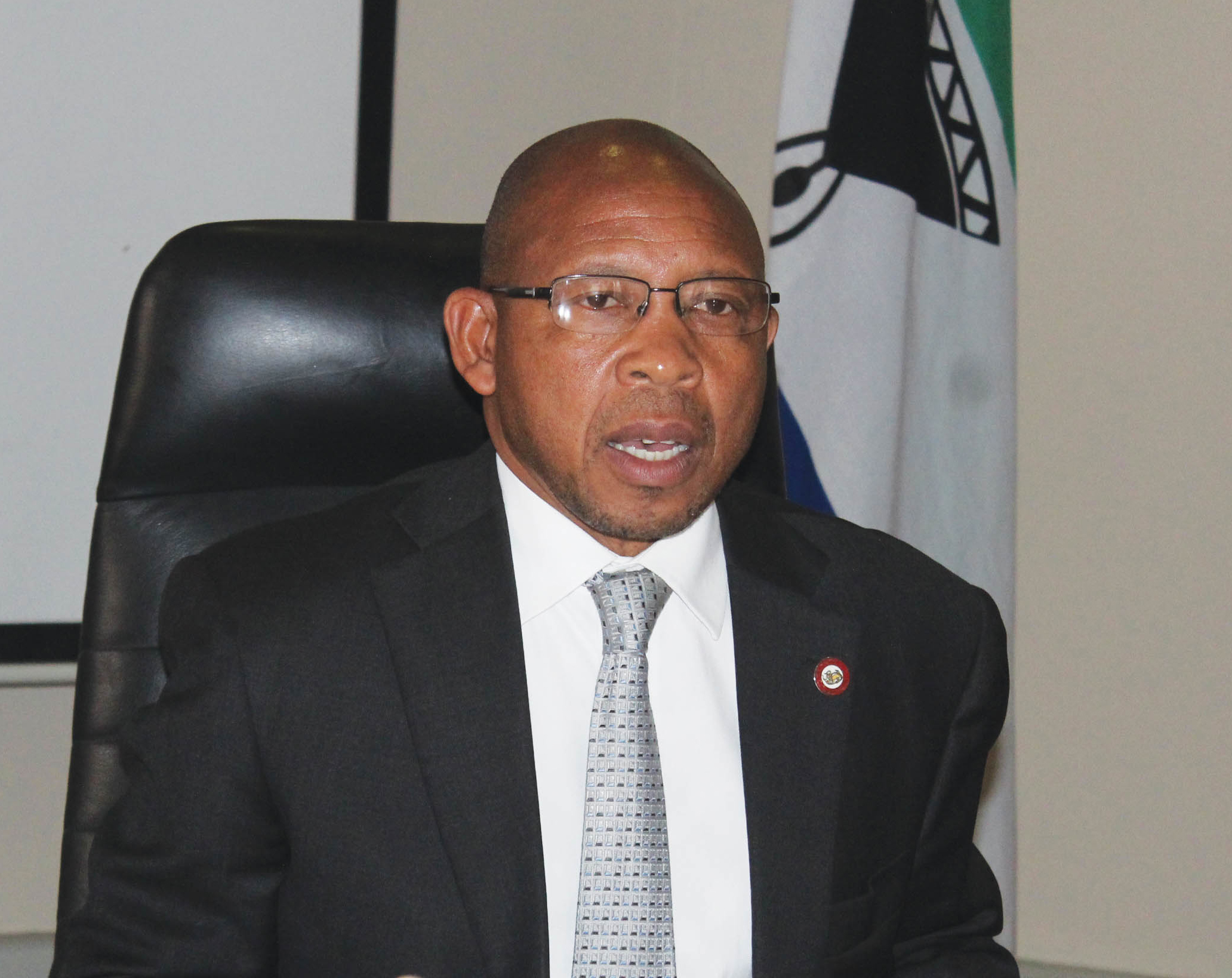
The Minister of Health, Selibe Mochoboroane, told parliament this week that the authority is expected to address gaps in drug registration, monitoring, and fees.
“Currently, drugs are slipping in unregistered in the country, with no fees paid; unlike countries like South Africa, Botswana and Namibia. LeMERA will fill this gap, and generate income for the country and prioritising health safety,” Mochoboroane said.
He noted that the authority will employ local pharmacists to oversee drug registration, ensuring medicines meet required standards and enhance regulatory oversight and generate additional revenue streams for the country.
LeMERA was established through the Lesotho Medical and Medicine Devices Authority Act, 2023. This legislation strengthens regulatory oversight, enhances patient safety, and aligns the country’s national health system with global best practices.
The legislation is also a significant achievement for pharmacists, healthcare professionals, and all stakeholders committed to safeguarding the quality, safety, and efficacy of medicines and medical devices in Lesotho.
The authority awaits regulations to be operational.
Meanwhile, the National Assembly has also greenlit the ministry’s M2.7 billion budget for 2026/27, aimed at supercharging healthcare in Lesotho.
Mochoboroane said the funds will drive five key priorities namely; strengthening primary healthcare, referral systems, control of non-communicable diseases, health infrastructure, and establishing a medical school.
“This budget will help us strengthen healthcare services in the country,” he indicated.
The Ministry of Health has set key activities for the 2026/27 financial year including increasing immunisation coverage for children under five, from 73 percent to 90 percent.
To achieve this, Mochoboroane said the ministry will procure sufficient vaccines to prevent vaccine-preventable diseases and ensure storage facilities are adequate and functional throughout the year.
Modern immunisation methods and strategies will also be implemented for disease control, while the immunisation service plan will be upgraded to target hard-to-reach communities.
“In strengthening primary health care, the Ministry of Health will focus on community health education in 2026/27. This includes providing education on prevention of communicable and non-communicable diseases, offering substance-abuse education covering drugs like cocaine and alcohol, revitalising health committees in health centres, and educating communities on mental health issues,” he stated.
He further announced that the medical school will have its first take in July 2027, offering five programmes namely; Bachelor of Medicine and Bachelor of Surgery, (under graduate) and postgraduate programmes in Anaesthesiology, Obstetrics and Gynaecology, Paediatrics, Surgery, and Internal Medicine.
The Family Medicine School in Hlotse, Leribe – which was launched in 2023 and currently offering family medicine and internship programmes – will be transformed it into a full-fledged medical school. This will help leverage infrastructure at the school, Motebang Hospital, Queen ‘Mamohato Memorial Hospital, and the National Health Training Centre (NHTC).
Mochoboroane said the establishment of the medical school will coincide with NHTC’s shutdown.
He also highlighted significant challenges saddling the country’s health sector, citing that despite progress in planning, maternal mortality remains high at 478/100,000, largely due to home births.
“This is unacceptable – we need to get more Basotho women to health centres for safe deliveries,” he said, revealing that 35 percent of children under five years suffer from stunting, affecting growth and education.
On the other hand, youth face a high HIV prevalence, unplanned pregnancies, and mental health struggles, leading to substance abuse.
Tuberculosis treatment access is another concern; Lesotho is still below 51 percent, leaving 49 percent of those affected without treatment.
Non-communicable diseases like diabetes and hypertension are on the increase, Moachoboroane added.
However, it is not all gloom and doom the country’s antenatal care (ANC) coverage has risen significantly from 69 percent to 82 percent. This means more expectant mothers are receiving essential prenatal services vital for safe pregnancies and healthy newborns.
“We have also achieved a remarkable increase in facility‑based deliveries, which have jumped from 54 percent to 91 percent. This advancement ensures that more births are attended by skilled health professionals, greatly reducing risks for both mothers and babies.
“Our child health programme has made great strides in improving immunisation coverage and ensuring that no child misses vital vaccinations. We are committed to protecting our children from preventable diseases and enhancing overall child health outcomes,” the minister prided, adding 97 percent of HIV‑positive pregnant women receive antiretroviral therapy to prevent transmission to their babies.
We have established a national non‑communicable disease coordinating mechanism to guide prevention and treatment strategies, addressing the growing burden of chronic diseases in our population. Furthermore, we are implementing a mental health policy to improve services for mental illness, recognising the importance of mental wellbeing in overall health, he indicated.
NUL honours top JFE outstanding achievers
a month ago
Lesotho supports WTO LCDs specific package
a month ago
Farmers push for local purchase policy
a month ago
United States visa bond blow
a month ago
LHDA hosts skills graduation ceremony
a month ago
ETL wraps up campaign
a month ago